
Highland Red Deer
If it’s a Highland stag, or Cervus elephus scoticus, you’re after, you could do a lot worse than heading to the Isle of Rum. Toby Fichtner-Irvine, who runs the stalking which is leased from Scottish Natural Heritage, explains that the red deer on Rum are larger than their mainland cousins: “It’s surrounded by water, so the genetics are somewhat different and thanks to this being a closed herd, we have been able to improve the lines, so we get bigger trophies here.”
The stalking can be challenging on this 26,000-acre island, and over half of it, the only option to extract the beasts is with ponies, or garrons, so the experience is very much that of the traditional Highland stalk, says Toby: “Our stalkers and gillies all wear estate tweed, and as the island only has one bed & breakfast – the population numbers just 28 – guests can either stay there or be ferried over to the Isle of Muck, where they can stay at our lodge. In terms of terrain, one side of the island is very challenging while the other is more forgiving, so there’s something for everyone.”
Price and seasons: Stags cost £500+VAT and can be stalked between 1 July and 20 October.
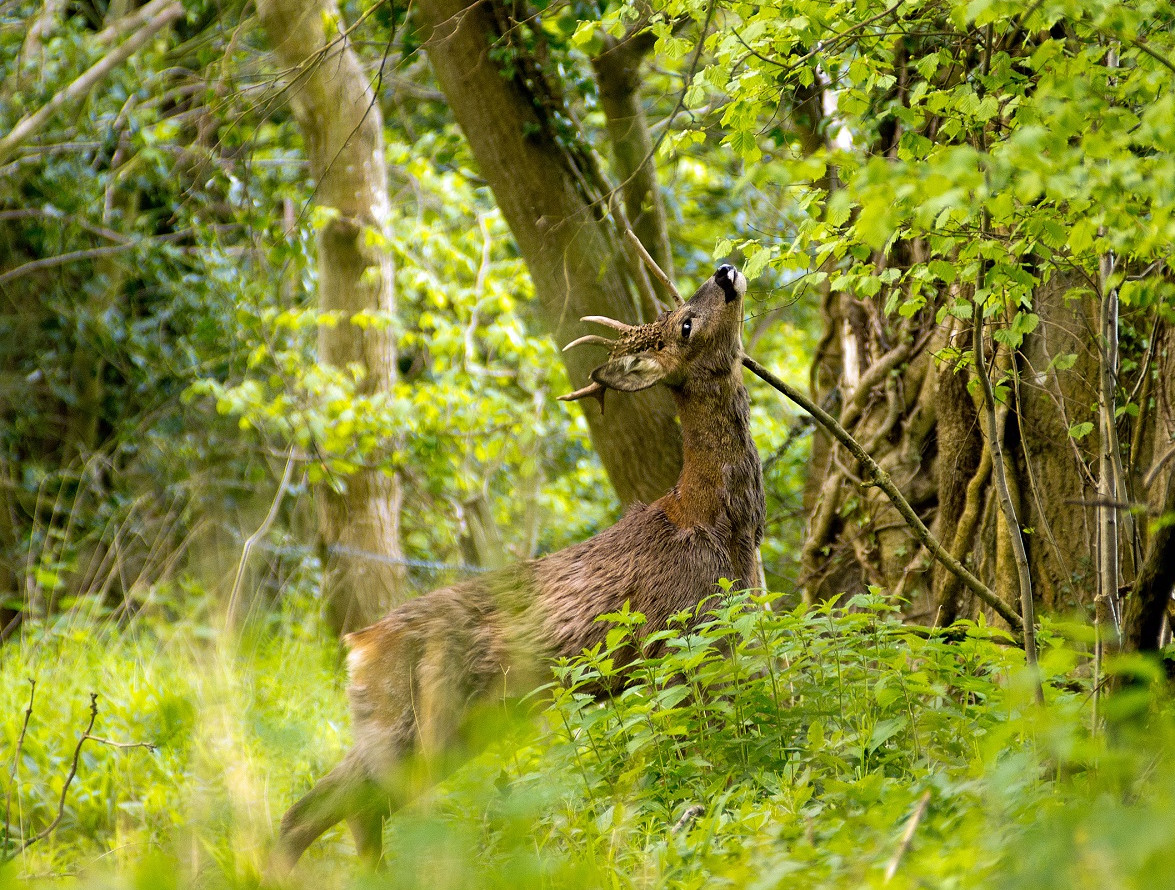
Roe buck
West Country Roe
John Haines has been stalking roe, Capreolus capreolus, in North Somerset for 25 years, and believes stalking shouldn't be all about trophies: “We do occasionally take trophies, but we tend not to take the best roebucks on our outings. I think the deer have come under too much pressure over recent years, so I prefer to take clients for cull bucks.”
John was trained by The British Deer Society, to the level of Advanced Deer Manager and is also a Deer Stalking Certificate Level 2 approved witness, so is the perfect person to show you the ropes for stalking, and enjoys taking out youngsters and newcomers to the sport, as long as they have had firearms training first. The terrain is mostly farmland and woodland, and, being not too far from Bristol, there’s plenty of places to stay nearby. Outings are typically at dawn and dusk, although most are at dusk which allows clients to travel and stalk on the same day.
Price and seasons: Outings cost £70, with an additional £65 for each cull buck shot, but no extra fee for does. The carcases can usually be bought for around £40 each. Bucks are in season from 1 April to 31 October, does are in season from 1 November to 31 March.
Sika stag
Sika and Fallow in the South
A life-long stalker, Jason Ward was brought up in Dorset and followed in his father’s footsteps to set up his company Thornhill Deer Management. The rolling farmland makes this a fantastic place to stalk, with staggering views across quintessential English landscape, as well as plenty of farmland. Fallow herds can be pursued, as can the sika, with its eerie call, at dawn and dusk. Jason has a comfortable and convenient log hut lodge for stalkers to stay in, which is a stone’s throw from much of his stalking, where he’ll barbecue venison after a day’s outing.
Price and seasons: Outings cost £85, with a £30 surcharge for females shot. Sika stags cost £100 per point, while fallow bucks vary from £150 to £800 depending on age and quality. The sika stags and fallow bucks are in season from 1 August to 30 April, while sika hinds and fallow does are in season from 1 November to 31 March.
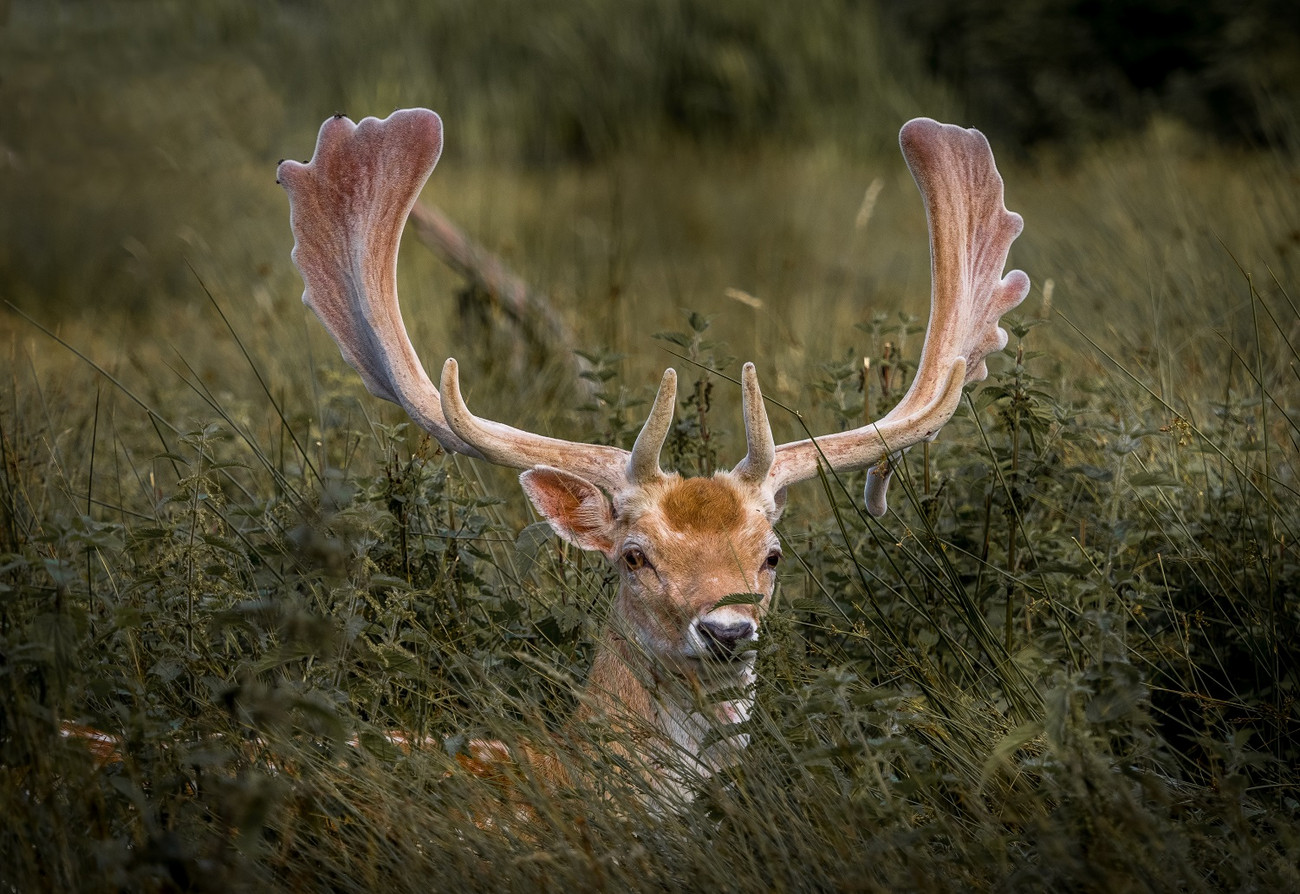
Fallow buck
East Anglia for a triple challenge
Suffolk and Norfolk are home to some of the largest red stags (Cervus elephus) in England, but also a fantastic destination for the smallest deer species in the country, the invasive Chinese water deer (Hydropotes inermis) and the muntjac (Muntiacus reevesi), both of which make fantastic eating. The landscape is fairly flat, with good areas of woodland, so while it’s ideal if you are not fit enough for the Highlands, it is still a good challenge, and some of the shooting may be from high seats.
While Nick Elsdon of Anglia Sporting welcomes newcomers, he does encourage them to visit for a day’s tuition, rifle handling and safety first, at a cost of £220. Of course there is no guarantee that you’ll see one of the large red stags, there is a relatively good chance of a top quality Chinese water deer (CWD) – these peculiar little creatures do not have antlers – the trophy is in the large canine tooth and the species prefers wetlands and marshes as a habitat. Muntjac, too are in abundance, and often of good quality.

Chinese water deer
Prices and season: Outings cost £110, which includes a cull animal should the opportunity arise. Red stags cost £110 per point for a stag that has more than 10 points (Nick prefers to leave six and eight pointers for another year). Muntjac cost £25 per cm for any head over 5cm, while CWD cost £250 for a bronze, £400 for a silver and £500 for a gold. Red stags are in season from 1 August to 30 April, hinds from 1 November to 31 March; CWD are in season from 1 November to 31 March and Muntjac are in season all year round.

Muntjac
For further stalking opportunities please visit this page, and if you cannot find what you are looking for, remember there is always an opportunity to find it by sending out a PegMatch.
Comments
Loading comments…
Post a comment
to post a comment.