
It’s a standard Thursday morning and Sam Carlisle is carrying out his regular inspection of the game bird feeders.
“We have got grey partridges and they’re a bit special, but we’ll be very lucky if we see one,” he tells me as he steers the INEOS Grenadier along a bumpy farm track.
It didn’t take long before he proved himself wrong.
“There’s one.” He visibly bounces with excitement in the driver’s seat. “And another….”
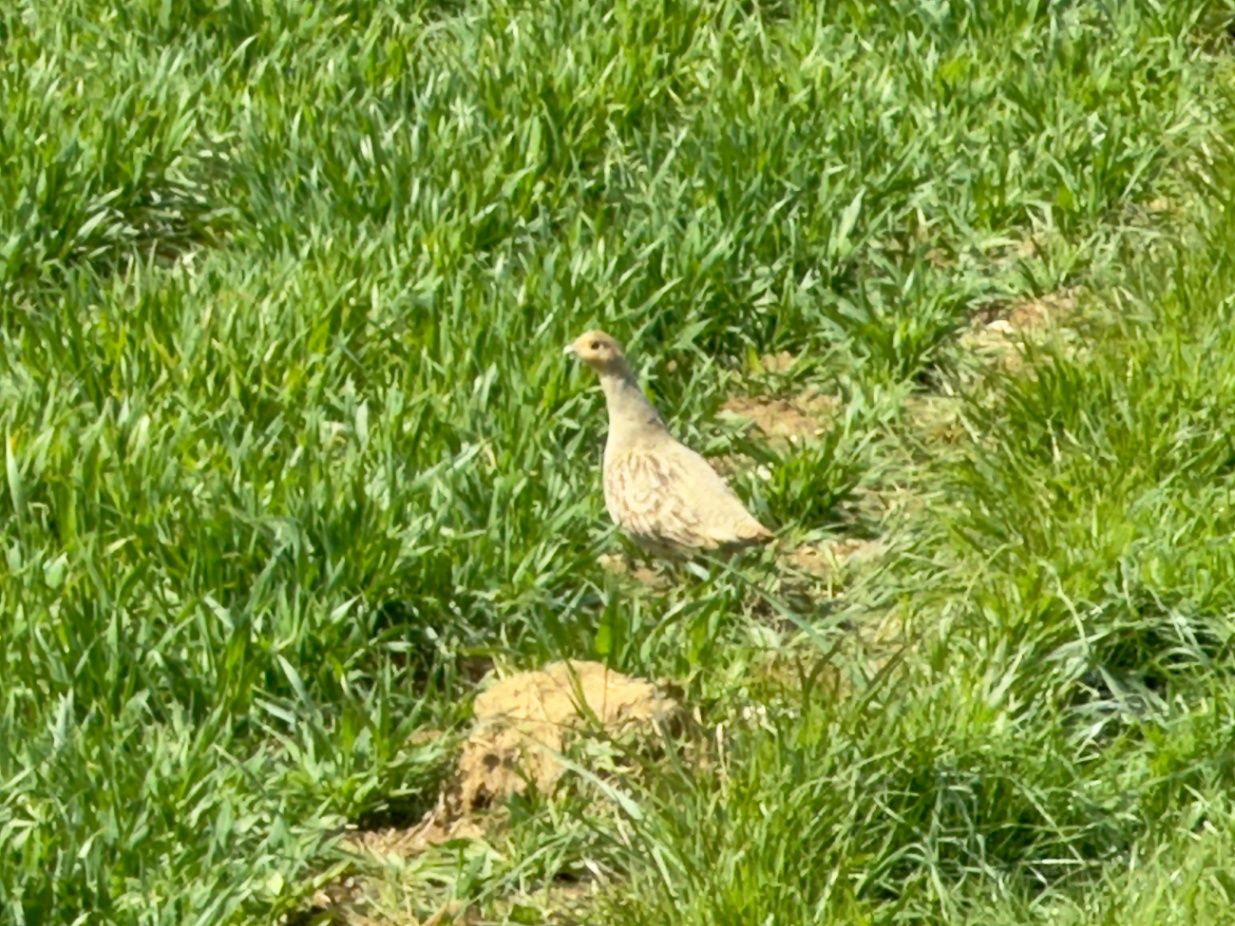
Within half an hour, we see three pairs of these tiny, perfect little English game birds. Two are getting stuck in to the grain Sam put into the feeder on his patrol the previous day. I was too slow to get the camera and grab a shot - but the trail cam he set up nearby got the image. There are lots of pictures. Sam has a huge smile on his face.
The Wyken legacy
This is what sums up Wyken. The grey partridge project started by Sam’s father Kenneth years ago is bearing fruit. So are the grape vines planted by his mother Carla, who has successfully created an English wine to rival anything from Europe. The 1,200 acres of the farm, nestling in Suffolk a few miles outside Bury St Edmunds, is a diversity success story.
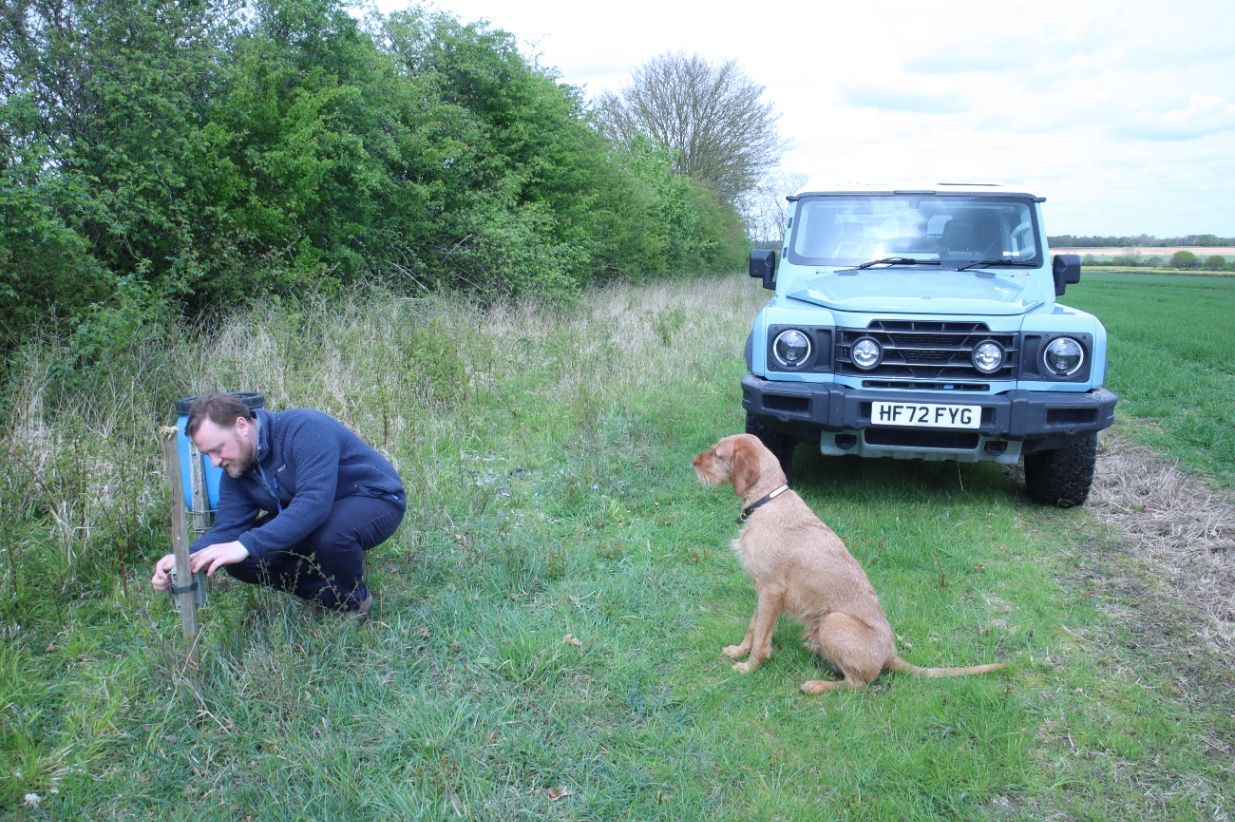
“My mother is quite an eccentric woman from Mississippi. And when she married my very establishment father, she said, we need to diversify here. And so she did something quite radical, 35 years ago, which was to plant a vineyard. And that was the start of the diversification. She was a real sort of trailblazer,” said Sam.
And so we make our way around the tracks of Wyken, stopping here and there to look at a hedgerow laid by Richard Negus specifically for wildlife, a new pond which is already home to two species of wild geese, lapwings and wading birds, or a beetle bank built as a break between two huge open fields a few years ago which is now teeming with life. Life spills, gloriously, out of this lovely place.
If you wondered how adaptable you need to be to make a business from a modern farm, then Wyken looks like great example. The story of how it came into Sam’s family is as fascinating as the history they’ve built on it since.
Putting down roots
When Lt Colonel Frank Heilgers returned to Suffolk after World War I, he decided he wanted to be a farmer and bought the estate. He farmed successfully for more than two decades and became the local MP, voted in after helping the local community get back onto its feet by employing all sorts to help on the farm.
Frank, however, found his trips back and forth to Westminster an ordeal. He was terrified of train travel and reportedly had a premonition he’d die on train. “He was scared of it, just like some people are scared of flying,” said Sam.
On one journey through thick fog from London back to Suffolk in 1944, the Yarmouth Express was forced to stop as it approached Ilford Station. A second train, travelling from Norwich and also struggling in the fog, crashed into the back of it at 25mph. Nine people were killed, including poor Frank. The official report said the crash was caused because a train passed a signal at ‘danger’.
“The farm passed to Frank’s first cousin, who was my great grandfather. He was called Kenneth. The farm then passed to my grandfather, and then my father, who were both also called Kenneth.”
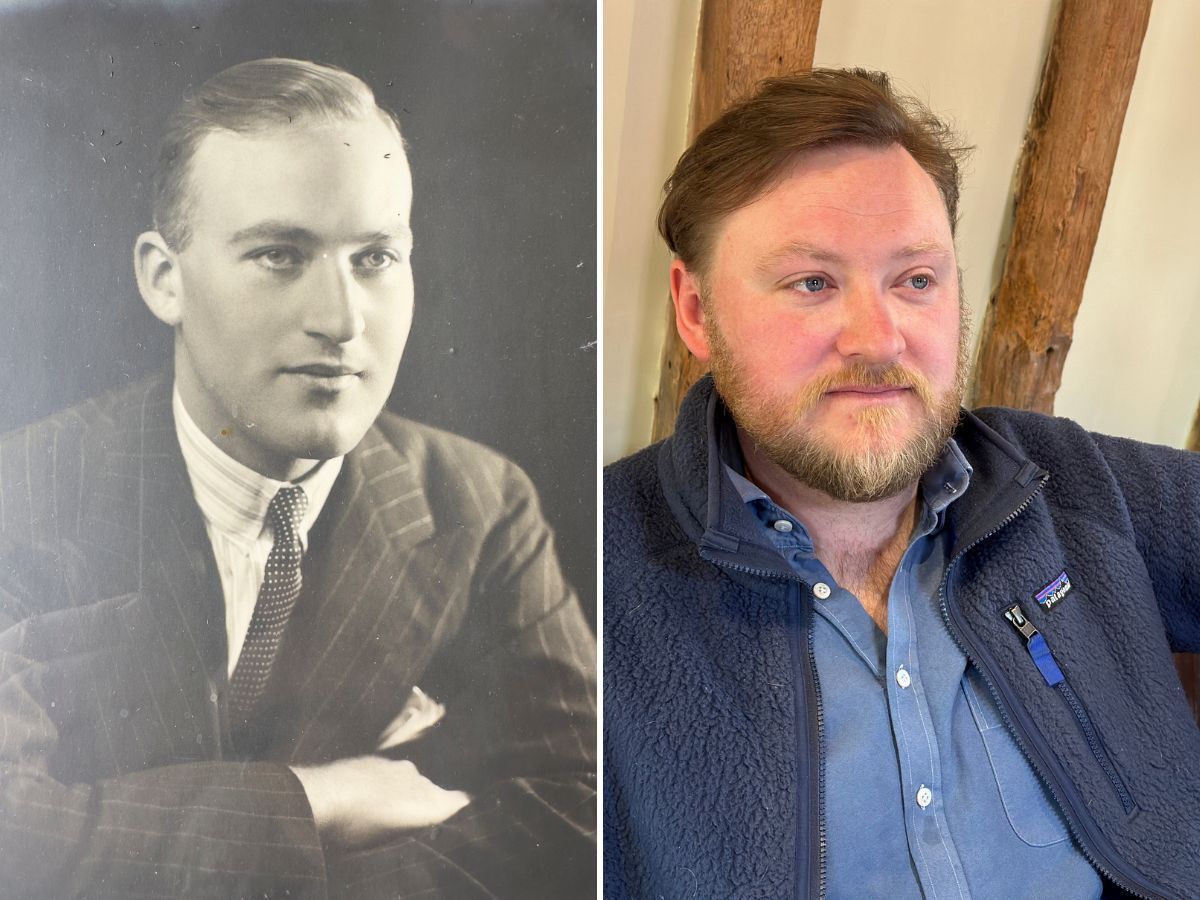
The farming legacy Sam now nurtures, handed down to him by many Kenneths, contains a farm, vineyard, shop and a restaurant. It has SSSI woodlands, meadowland and even a trout lake stocked full of hard-fighting rainbow and brown trout which help feed his passion as an angler, fuelled by many trips around the globe for all manner of species. There’s certainly also a sense of privilege here - one that’s not just been passed down, but hard-earned.
The current Carlisle family
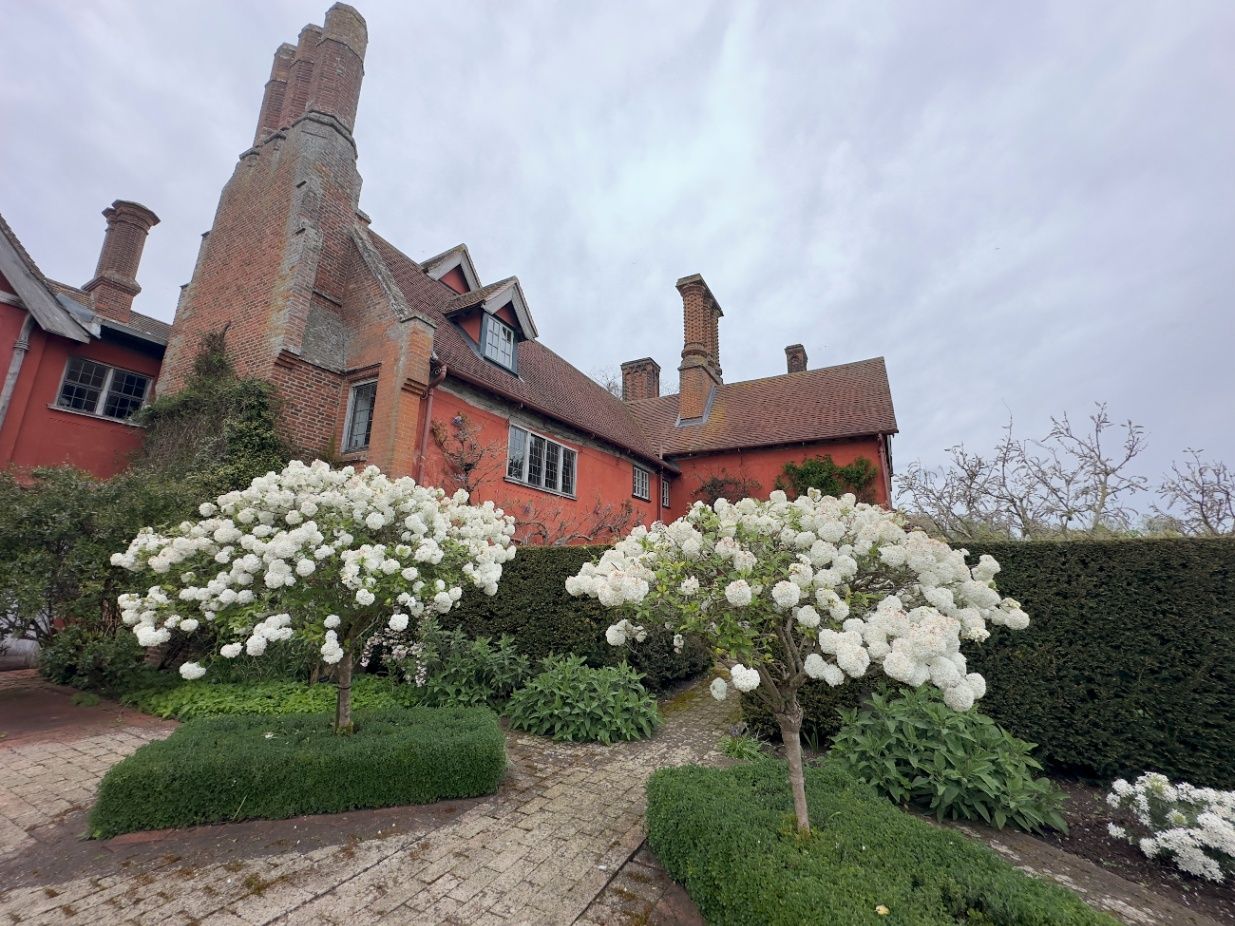
The manor house where Sam’s parents still live is surrounded by stunning gardens, which are open to the public. It’s beautiful, but modest and clearly filled with stories. His mother Carla, an American journalist who was once a stringer for the Washington Post, writes for ‘Country Life’. It looks like every edition of the magazine containing her brilliantly written columns from the past 30 years is proudly stacked on the staircase. There are pictures on all the walls, giving a visual journey through the history of this extraordinary family.
Sam’s father, now Sir Kenneth, was a Conservative MP for 18 years, Parliamentary Under Secretary for Transport, Defence, and a senior whip. His wife, now Lady Carlisle, is described in many online citations as a political activist, teacher, journalist, restaurateur and writer. When she left university, she set out on a self-proclaimed mission to save the world. She even once produced a left wing newspaper called the ‘Molly Maguire’, which sold at factory gates throughout California.
She also worked at ABC television, making a series on the 19th century romantics in Paris and then London. There she met Sam’s father in Putney, and polar opposites attracted. The manor at Wyken Hall became their home and a dynasty continued.
Cows vs flowers
“There were some interesting disagreements at home when I was growing up,” said Sam.
One involved a wild flower meadow created by Sam’s father, a keen amateur botanist, and his mother’s new obsession with owning some Red Poll cows.
“My father has restored a few wild flower meadows. He’s still doing it. He loves them. Once, when he went away on a botanical expedition, my mother bought four cows from a local farmer and put them in the wild flower meadow he’d just created. The cows started to poach the ground - and when he got home you could see he wasn’t very happy,” said Sam, “but he didn’t get very angry, and actually hardly mentioned it.”
Then, when Sam’s mother went on a holiday a few weeks later, the cows were sold back to the farmer, at a loss, and the meadow resurrected. Round one to the Conservative member for Lincoln.
“When my father next went away, she bought the cows back. They never really discussed it, but each was convinced that they would win in the end. It was a very odd argument,” chuckled Sam.
The cows-versus-flowers adventure happened a few times back and forward, each time the animals were sold at a loss, the meadow lovingly restored, before the cows were then repurchased at full price when Sir Kenneth went away. “The only real winner was the farmer who they bought and sold the cows from,” he said.
It’s clear Sam’s parents reached a peaceful concord some time ago. Everywhere their teamwork is in evidence, and Wyken is bursting with colour. The formal gardens are beautiful. Sam says ideas often come from his plant-loving father and are made to happen by Lady Carlisle, whose attention to detail and quirkiness are evident. There are water features which have little ramps attached to provide a safe passage for frogs. The wild flower meadows surrounding the house are perfect.
Encouraging posterity
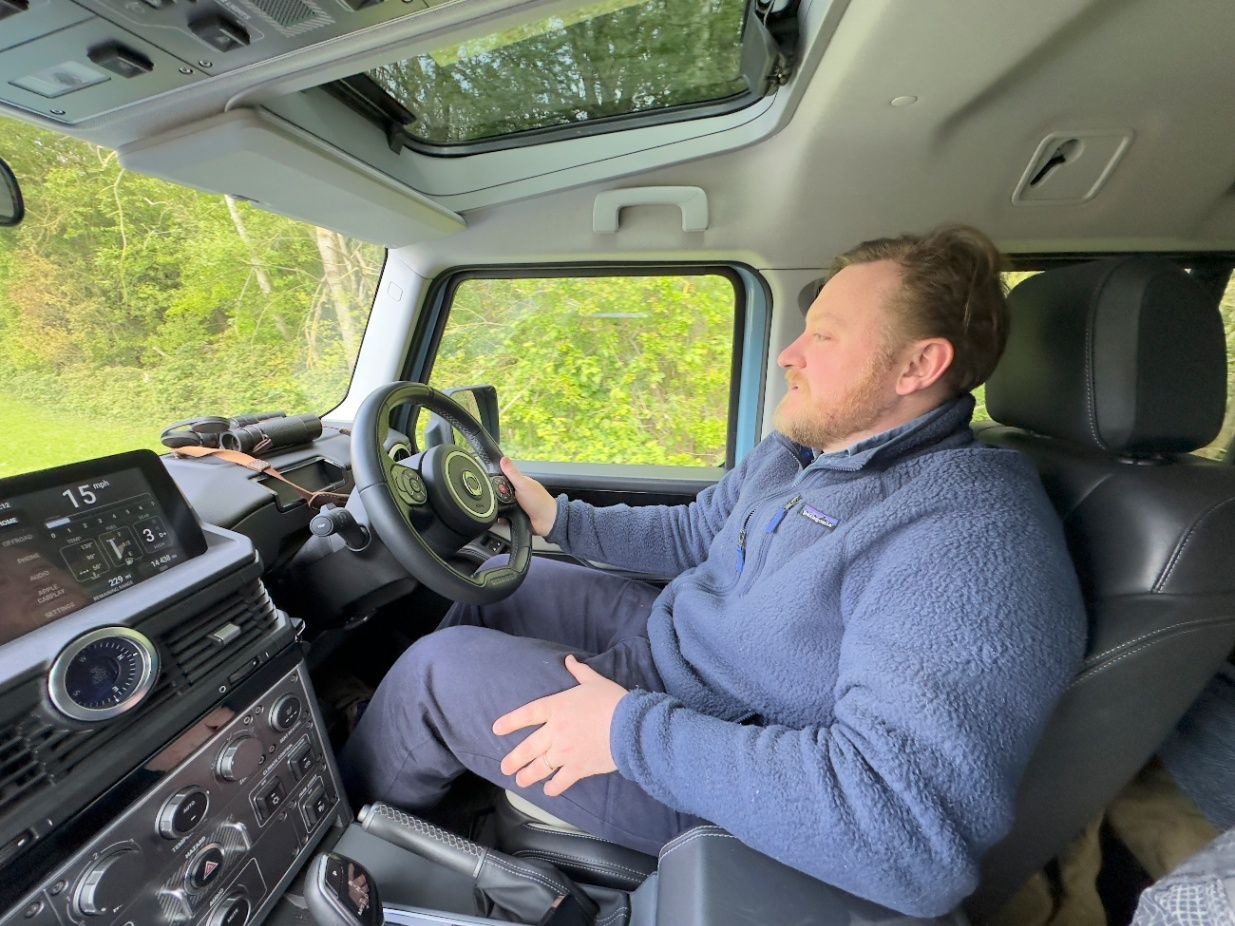
Sam, now in his 30’s, is in the process of taking the bloodline further. His wife Georgia is a GP who heralds from the Angus Glens in Scotland. Their daughter Ida, 18 months old, is already obsessed with farm life and loves nothing more than to sit on her father’s lap while he drives around the farm.
By now we’re back out in the Grenadier on the tracks Sam used to roam on foot as a small boy. Then he had a makeshift bow, firing arrows at the tourists visiting the gardens. Now the time he spent outdoors on the farm as a child has grown into a love of this carefully stewarded wilderness.
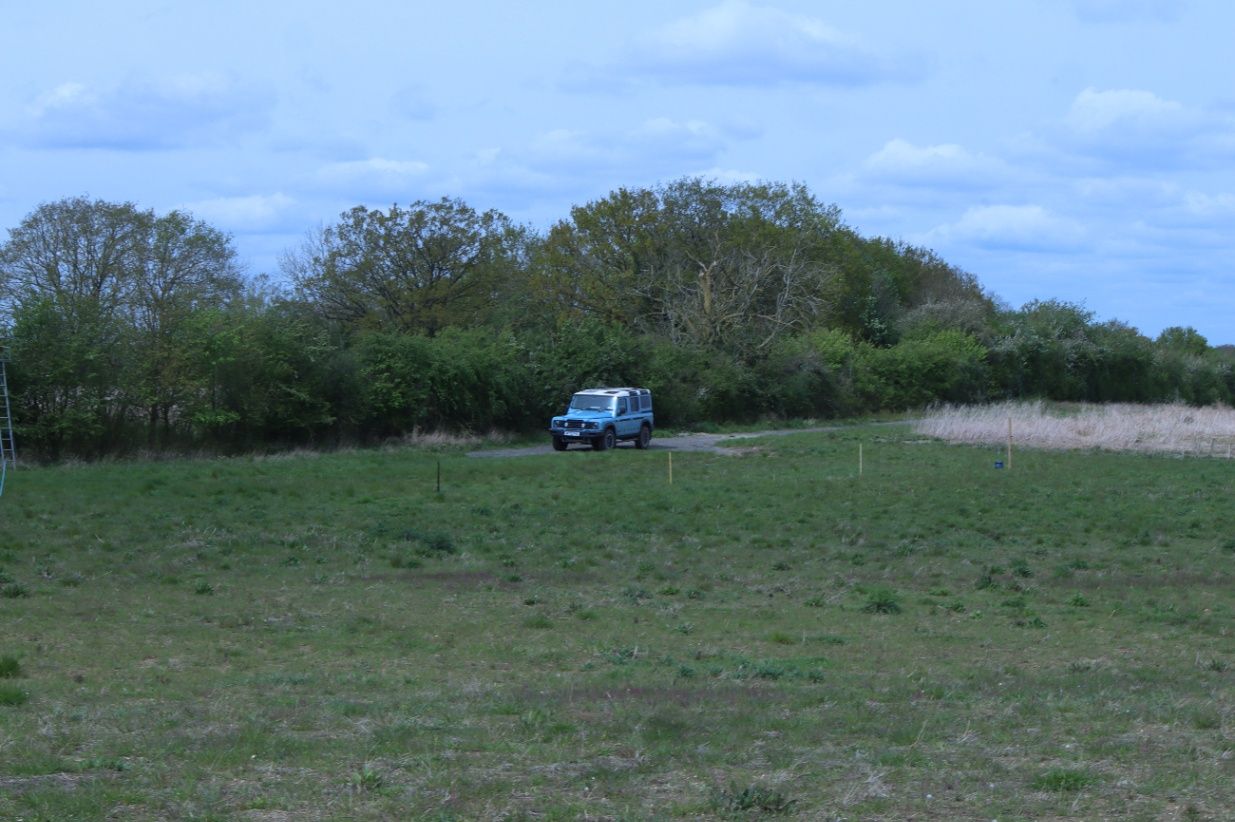
“This is very much a family farm and we’re lucky to be able to take a really long term perspective. We’re trying to farm in a way that's interesting, stewards wildlife and creates diverse ecosystems. Alongside farming profitably, this really increases the amenity value of the landscape, which is all part of taking a long term view. It’s about engendering love in the next generation who are going to take it on. Ensuring that whoever follows us also loves the land and wants to look after it is a wise business move when it comes to succession,” said Sam.
Sam of all trades
He’s not always worked on the farm though. Sam worked for DEFRA, hoping to get into developing policy, but ended up in a job he hated. “It was a disaster. I was working in a department that was testing pathogens, really nasty stuff like anthrax, other biological weapons and developing badger vaccines, that kind of thing. It was very disappointing and I left quite quickly,” he said.
He also had spells working for the Countryside Alliance, running his own business in men’s fashion, and working for a company that sells salmon fishing. The kind of career diversity that seems too have been a perfect training ground for Wyken.
“You seem to have a lot of balls in the air at once,” I said.
“Yes that’s true - but I do love it,” he replied.
Sam has used the expertise he doubtless gained navigating his way around the corridors of power at DEFRA to help the farm gain grants for various environmental projects. A huge part of his job is shuffling paperwork and doing admin. Understanding where to go for funding post-Brexit has been a massive challenge which has caused many a farmer to go to the wall.
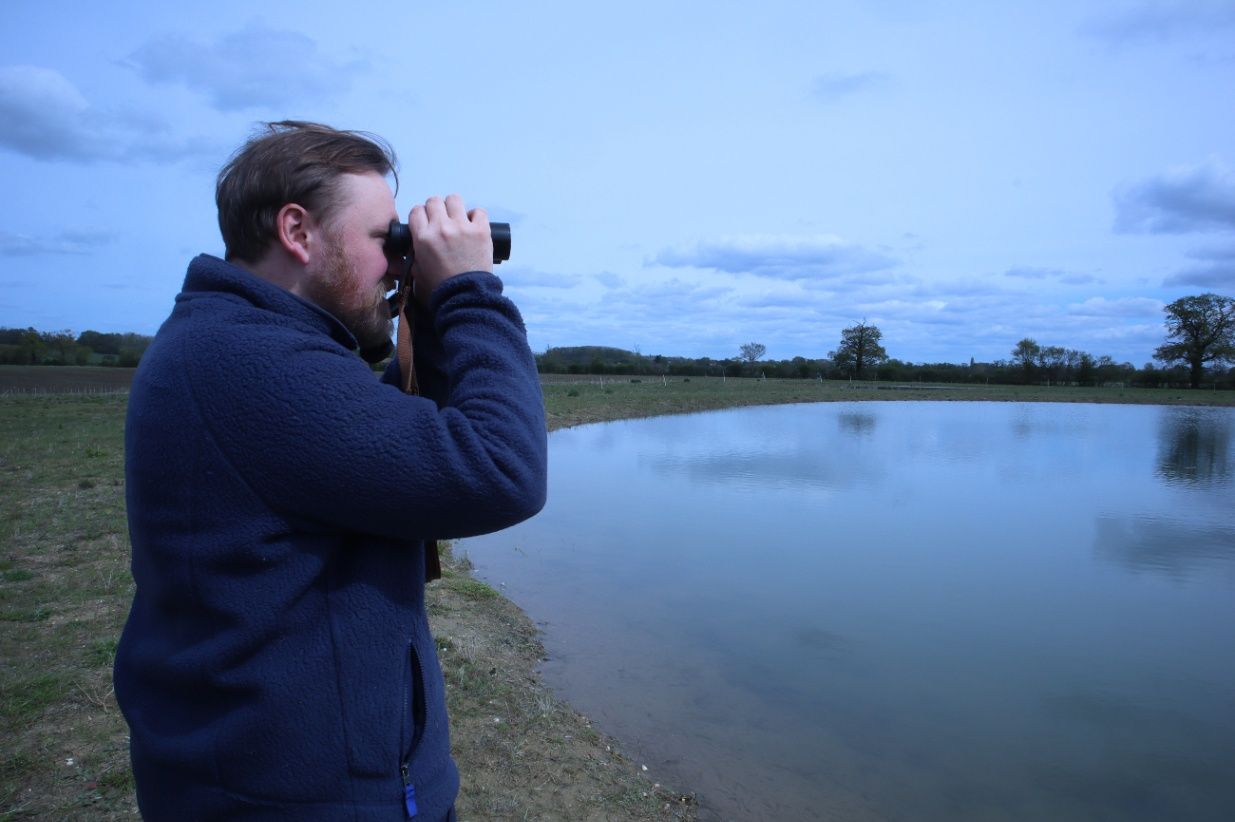
Managing those grants and the cashflow is a complex task. Sam says around 10% of the revenue generated at Wyken probably comes from environmental grants for things like pond and habitat creation. “What people don’t realise is that you have to complete all of the work before you get the grant. For example, it might cost tens of thousands of pounds to create a new pond or start properly managing your hedgerows, and take a year to actually do the work. These are costs we have to absorb into our cash flow. Not every farmer is in a position to do this.”
A community affair
There’s no such thing as a typical day here. The farm is contracted to Will Reed, who worked for the previous contractor, and then took on the responsibility for 900 acres of arable 25 years ago. We wave at him warmly as he approaches us in a gigantic tractor. “Will’s hoping to pass his contracting business on to his son a few years down the line,” smiles Sam.
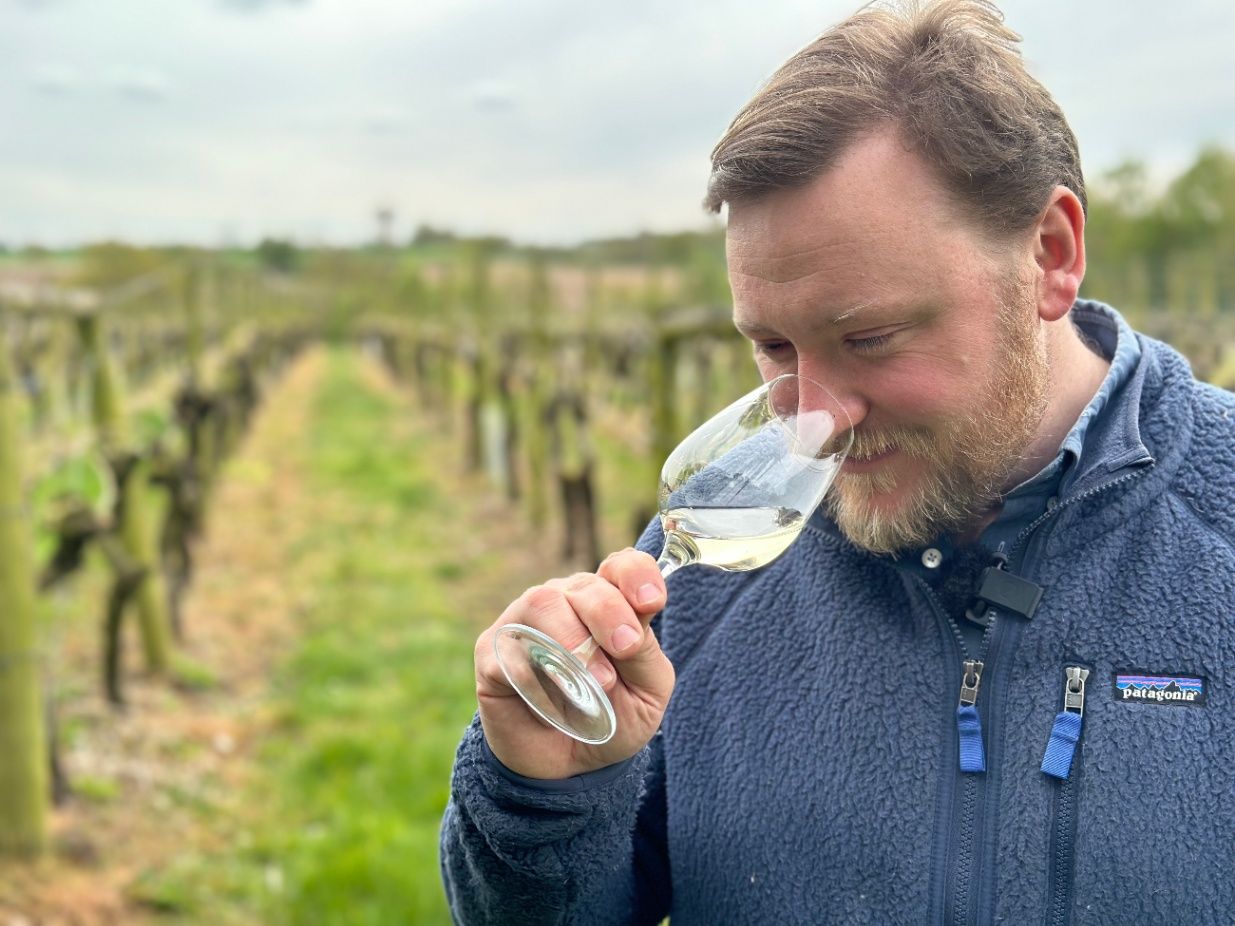
The vineyard produces a limited supply of wine. It’s been featured on TV and celebrated across the globe. The blue riband is a classic English-style Bacchus which is the rival to many a Sauvignon Blanc. Sam shows me the vines his mother planted way back and takes a sip of the latest vintage while standing in the Suffolk sunshine. He understands all its complexities and describes the flavour like an expert sommelier.
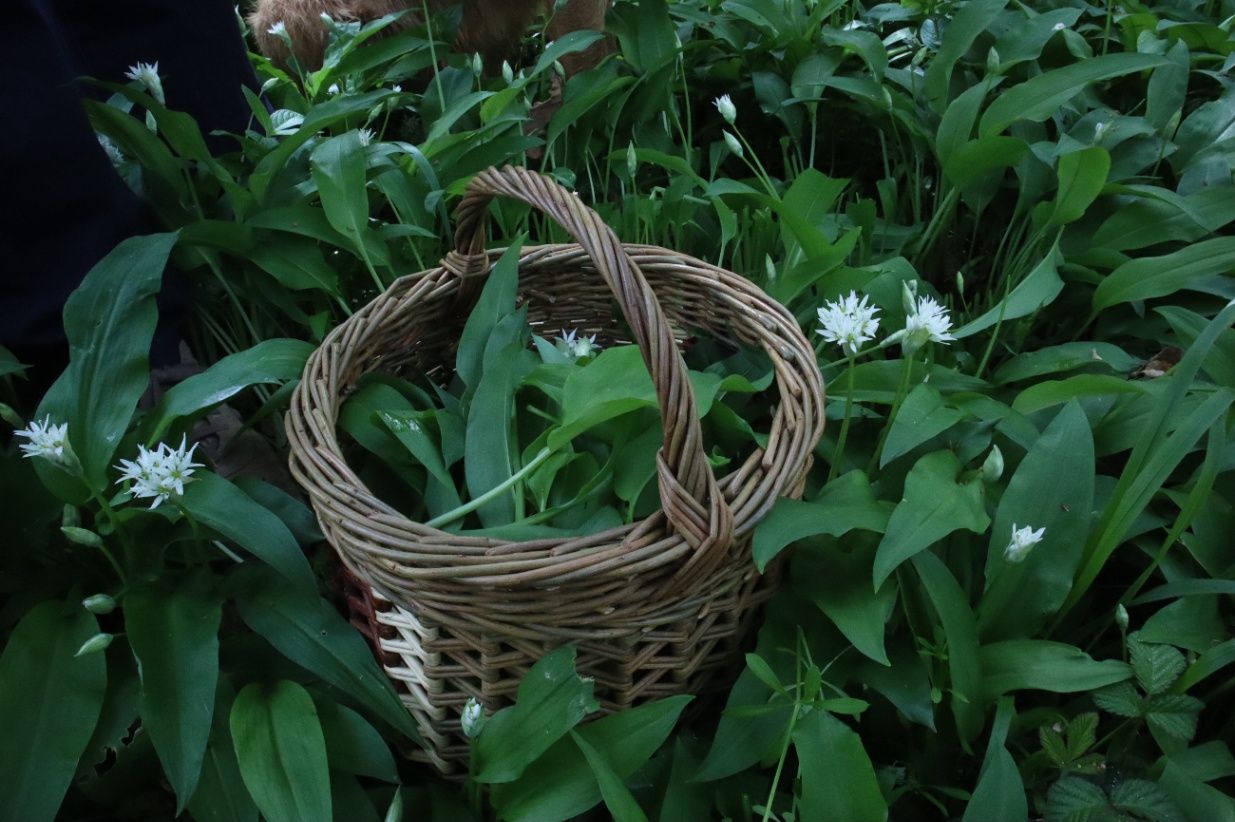
The wine, of course, is served in Wyken’s high class restaurant. On the drive back, we stop in a little copse where Sam jumps out of the driver’s seat to collect a basket full of wild garlic. It’s handed over at the door, then passed to chef Jamie Bridges to create a wild garlic and potato soup that’s served on the lunch menu.
“Jamie was the sous chef to the former chef here,” said Sam. “He started here at 16 as a pot wash and progressed through the brigade, then when he left, it just seemed right that Jamie took over.” Succession is everywhere at Wyken.
The Leaping Hare
There are 25 staff employed at the restaurant, which is busy for a Thursday lunchtime, and almost certainly for every other sitting. On the menu is venison kofta made from deer that Jamie thinks Sam probably shot on the estate the week before. Hunting and shooting is another key component of the Wyken portfolio, marrying land management with providing local and seasonal produce for the kitchen.
It may not surprise you to learn that Sam also has a hand in deciding what goes on the menu at the critically acclaimed eatery that is The Leaping Hare. Built from a 400-year-old tithe barn, it’s been in the Good Food Guide for 26 consecutive years.
Jay Rayner, their website boasts, says the restaurant ‘doesn’t put a foot wrong’. I’m not about to argue.
Nature-sensitive farming
Post lunch, and we’re back out exploring the beetle banks which now separate some of the fields. They’re crucial to the wellbeing of the grey partridge, which are now clearly thriving here. They live alongside the French partridges and pheasants which form the quarry for the shoot Sam and his team run during the Autumn and Winter months.
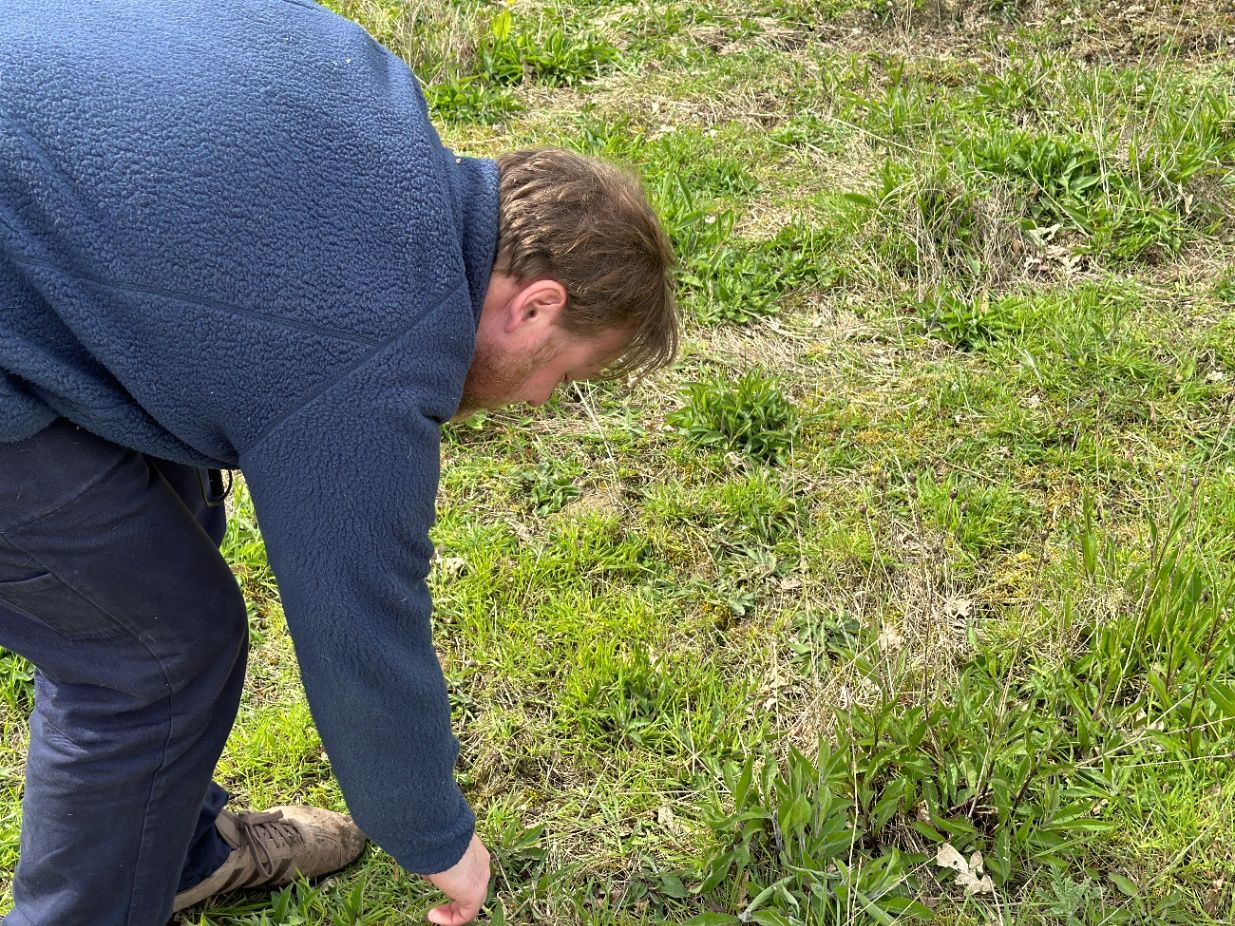
The arable farm doesn’t spray any pesticides or insecticides near hedgerows and field margins, where the plethora of birdlife and invertebrates make their home.
The ethos at Wyken isn’t based on the post-war food production drive of yield per acre any more either. It’s now based on profit per acre instead. Rather than cramming five tonnes of wheat into an acre like his father once did, Sam’s happy at a less costly three tonnes, planted and harvested for half the cost.
Sam is anxious to get on with the mounting pile of jobs he has ahead. These include advising on the purchase of the correct wooden ‘stepping stones’ to refresh a children’s play area near Wyken’s increasingly popular outdoor pizza oven. He ends proceedings with these words of wisdom.
“Farming the way we do has made life harder to a degree. You have to want to make the effort to adapt and innovate. But we’ve made decisions based on finances, soil health and the environment, all with a long term perspective. That said, I think our story is one where we’re not compromising our farming style to allow for conservation, but seeing both work well together .”
Comments
Loading comments…
Post a comment
to post a comment.