Words by Charlie Flindt
The shooting season may well be underway, but for us farming types, there’s still a few weeks to go – September is often the busiest arable month, with a late harvest to get in and the next year’s sowing to get started.
That gives me a bit of time to sort out my long list of stuff to check. Is it time I had a new gun? No – my Rizzini tends to hit things perfectly if I point it in the right direction. How are cartridge stocks? Good – lots of 12/6/28/65/fibre with paper cases, just right for ensuring a clear conscience if the peg isn’t cleared.
Wellies? Still just about sound. Coat? Need a new one, but that’s an article for another day. Cap? Voltarol? Imodium? All good. Now the big one: tyres.
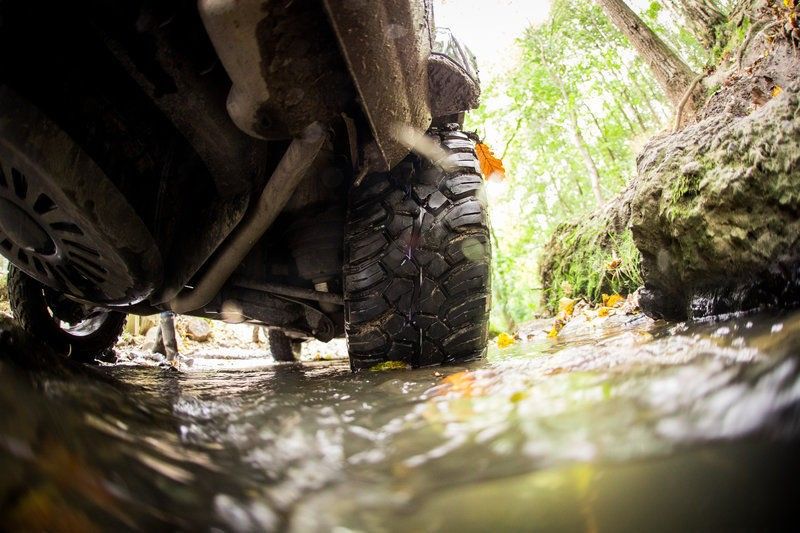
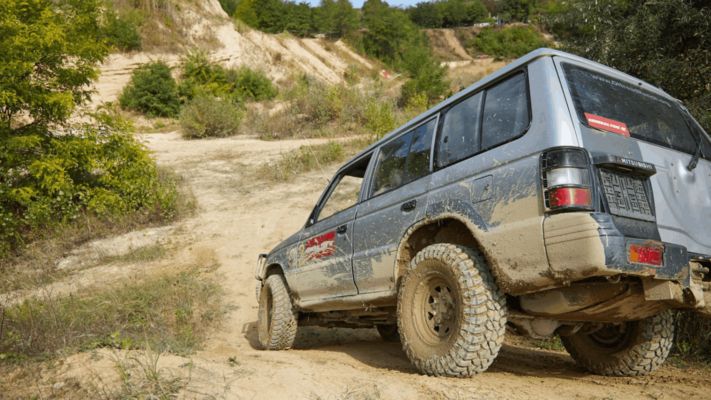
OK, for most, tyres are unimportant, just something that gets in the way of an MOT pass. But tyres are my thing. Much of my agricultural engineering degree was spent on the fascinating science of tyres. There’s no point having a thumping V8 petrol engine or a sweet sounding John Deere 6.8 litre straight-6 diesel if the former can’t connect to the Tarmac and the latter spins uselessly in the mud.
That’s why I instinctively check tyre tread on any car that arrives in the yard. (I once saved an NFU wonk from points on her licence – or worse – when I found her car tyres were well beyond being safe.) I can bore for Britain on angles of internal friction, the Mohr–Coulomb failure criterion and why tractor tyres have chevrons. (There’s a local cricket groundsman who didn’t take kindly to being told that the tyres on his gang mowers were the wrong way round. ‘Driving’ vs ‘dragged’ work differently, you see.)
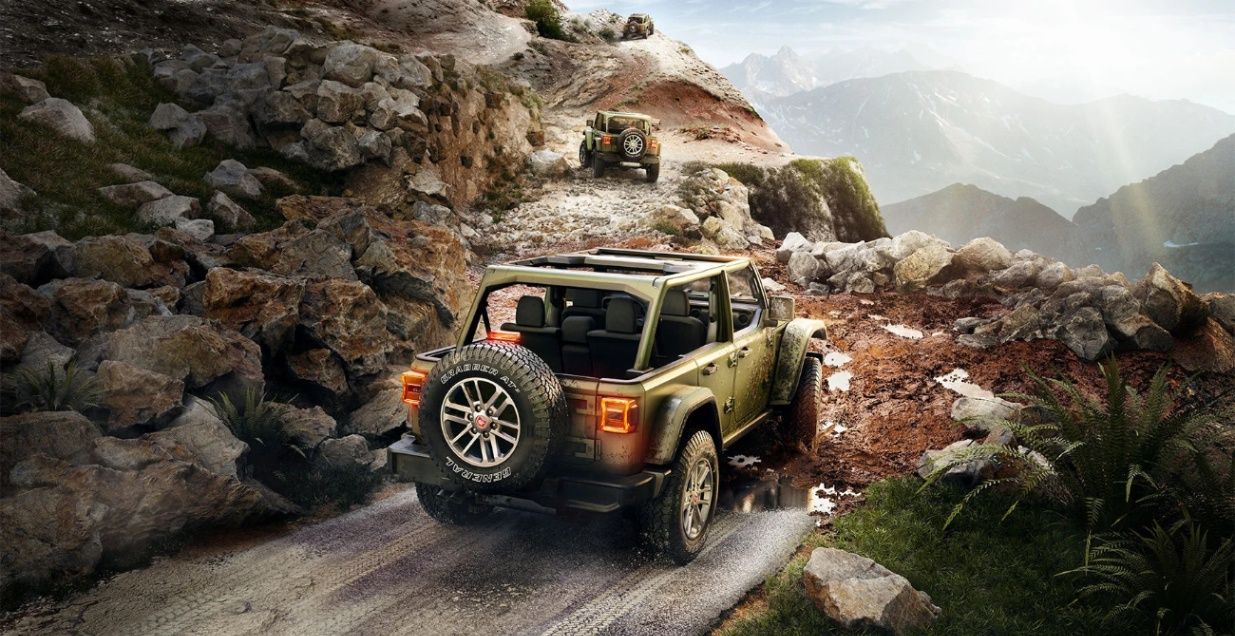
And spare a thought for the rest of the ski chalet guests when an RAC officer and I discovered we’d covered the same ground in our education, and, given enough wine and paper, could just about remember how to prove that if a tank’s length:width ratio is too high, it will never turn. Alas, that was too many years ago – although I can still demonstrate the principle of the limited slip differential with custard powder.
As the nights draw in, the Flatcoats start to get restless and we book the chimney sweep, you’ll find me doing a tour of the tyres on my farm 4x4 – a Hyundai Terracan. I’ll be checking the tread, the pressures and the sidewalls. Is it time for a bit of tyre shopping? I’ll be disappointed if not – because it’s fun.
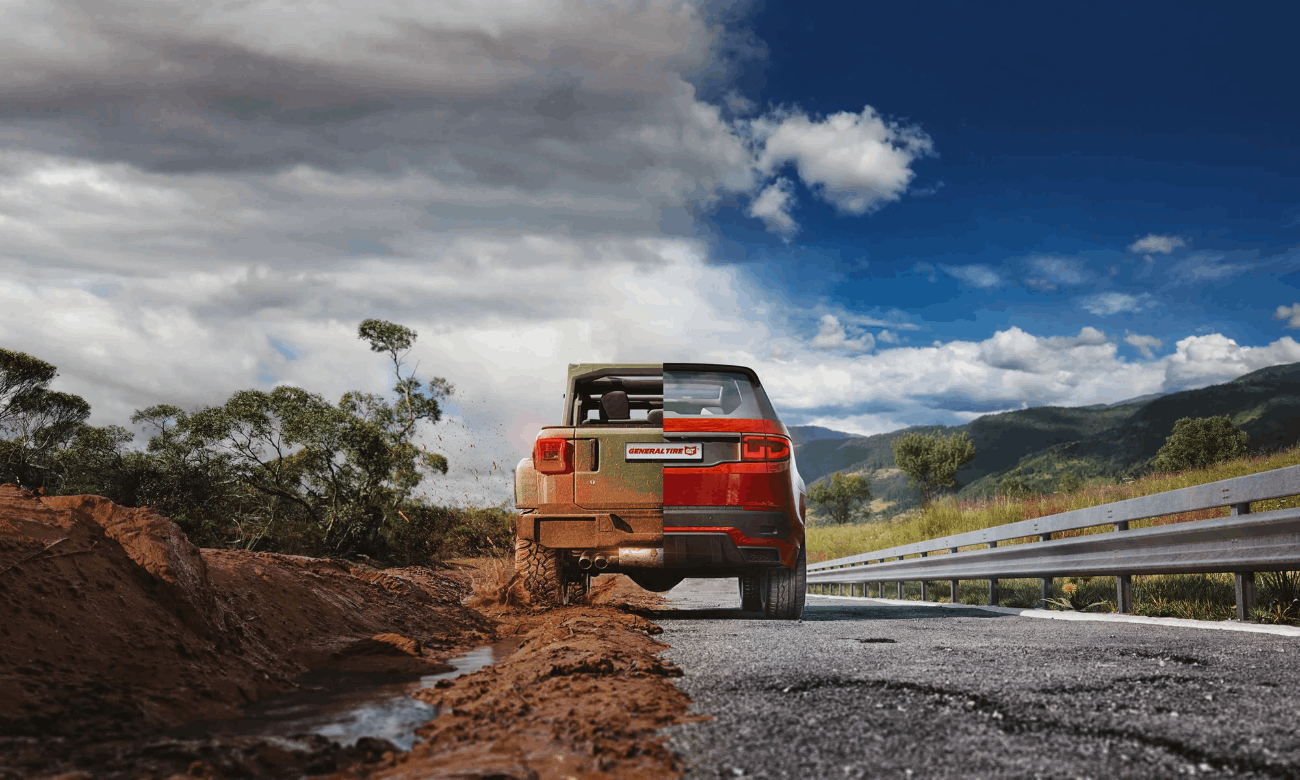
Tyres for farm 4x4s are a fascinating hybrid between road bias and mud bias. (We’ll ignore all the other silly options that you find on six-figure SUV gearbox menus, shall we?) When you drive to the shoot, you need road grip. When you’re up that track or on a bit of Hampshire clay, you need mud grip. Choose a tyre with too much ‘road’ tread, and you’ll look a right twit spinning in the mud. (Top tip – choose a high gear in the mud, not a low one. It’s all about torque at the tyre’s perimeter.) Choose a tyre that’s too knobbly, and handling on the road will be terrible, and the drive will be unbearably noisy. Remember the classic Land Rover 6.00 x 16 roar?
Your ideal tyre will do a bit of both. There will be enough rubber contact with the road, and enough gaps to do a bit of mud-on-mud friction (our old friend Coulomb again). It will also have some sturdy sidewall protection – my farm is laced with sharp ‘Hampshire diamonds’ that are no respecters of brand name or price. They lurk in the sides of ruts, just waiting to wreak havoc on unsuspecting shoot vehicles.
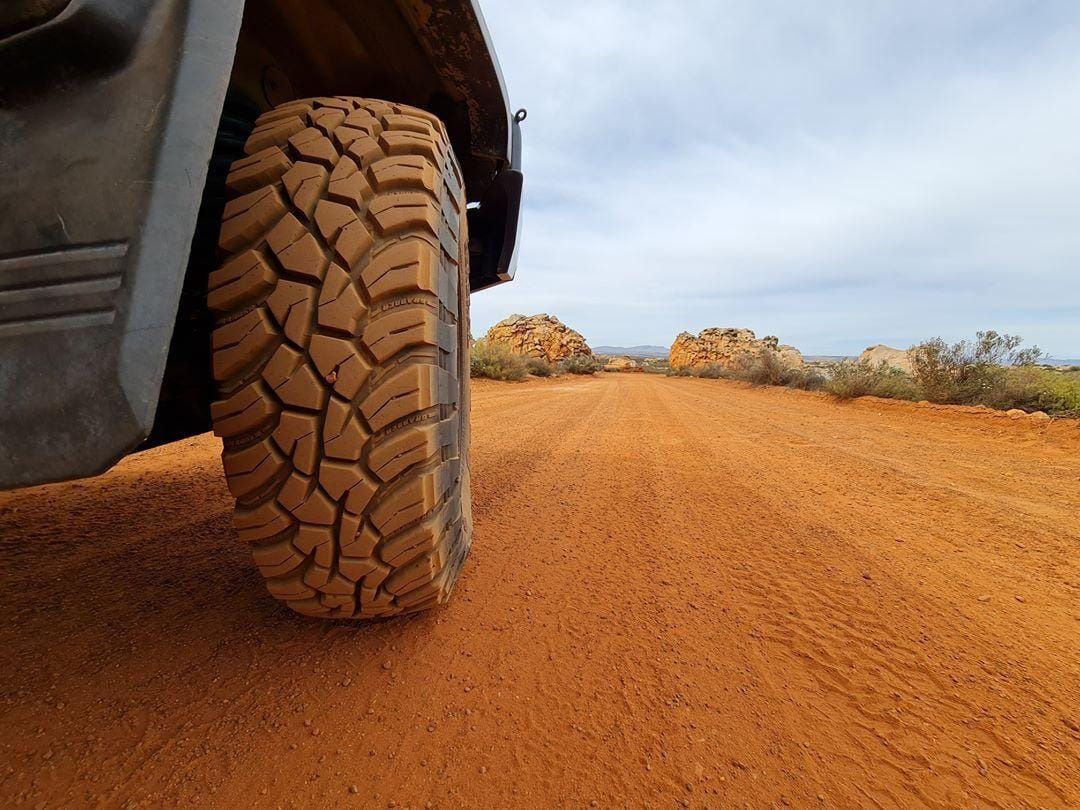
Ah, yes – price. You can spend hours looking for the cheapest 4x4 tyres, and find some very iffy looking options with unconvincing ruffty-tuffty names. Or you can spend a small fortune on a set of hybrid tyres that might match your aforementioned six-figure 4x4 – but a malicious flint will indifferently carve its way through both. I’ve seen it on nearly new tractor tyres that cost over four figures. It’s a working hazard.
So what you pay for your tyres will, like the tread pattern, be a compromise. You want an established name that gives you confidence in the quality of materials, but a price that doesn’t break your heart when the flattest of flat tyres greets you (and nothing is as flat, or as fast, as a ‘tyre wall slash’ flat).

Browsing the Protyre website (we’ve bought all our car and tractor tyres of them for decades) I was directed to two products from General Tire, both of which have had a significant upgrade for 2024. General Tire is a well-established name with a rich American heritage, although one day we’ll sit down with them and do some work on spelling. The first suggestion for my Terracan was the Grabber GT+, which was the more heavily road-biased of the two, and quite tempting now that semi-retirement from farming has reduced my muddy miles somewhat.
But for a tenner a tyre more, I could go for the Grabber AT3, which looked the perfect blend of gnarly knobs for the mud and smooth tread for road use. I could get all four corners rebooted for under £600.
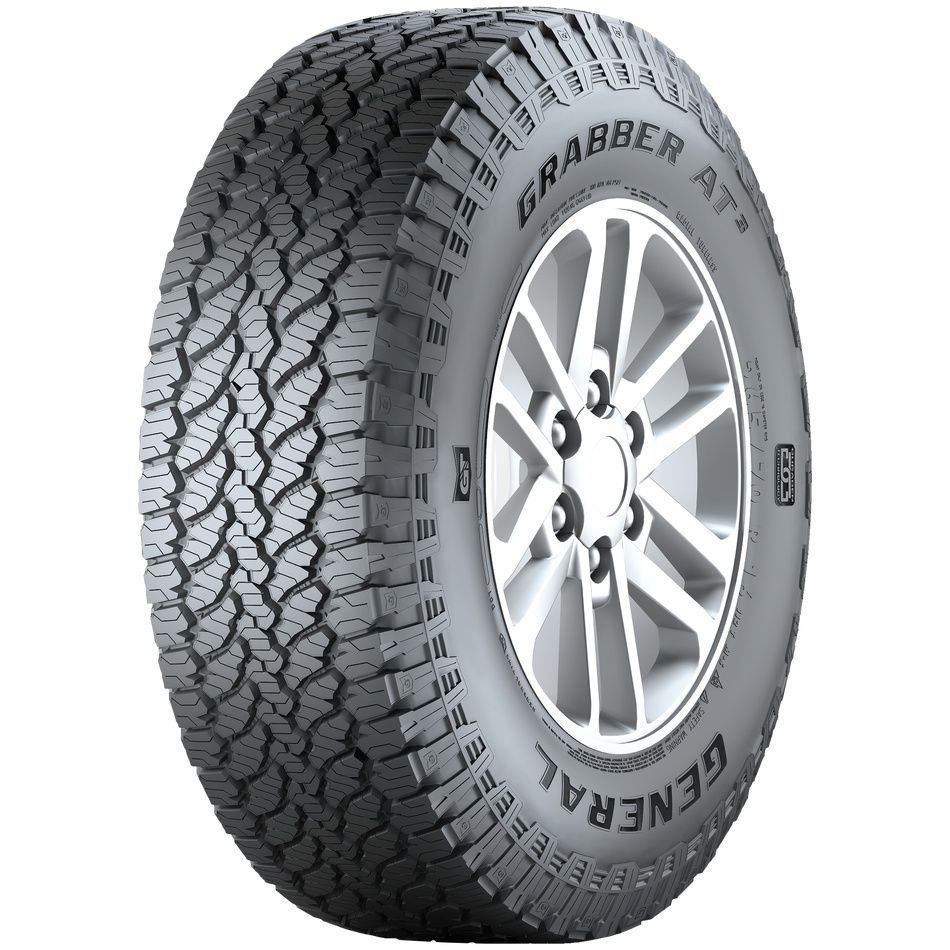
But I like to know more before picking up the phone and booking an appointment – I’m a tyre nut, after all – so I did a bit more delving into the Grabber AT3. I didn’t have to go far to get a decent recommendation. “The General Tire Grabber AT3 has been approved as the original equipment tyre for the Isuzu D-MAX Huntsman Special Edition” proclaimed a press release that stumbled onto my screen. Well, if it’s good enough for the ultimate no-nonsense farm/shoot pick-up, it’s good enough for me.
Learn more about General Tire and see where you can buy their products here.
Comments
Loading comments…
Post a comment
to post a comment.