Words by Andy Ford
I think we all know our dogs are capable of so much more than lying on the sofa, drooling into a cushion, and bouncing around like a lunatic at dinner time. But Will Powell takes things to a whole new level.
His job as one of the most extraordinary dog trainers on the planet is to unleash the hidden potential in a hound - and transform it into something very special indeed.
Will, 50, from Cambridgeshire, learned his trade using dogs to find unexploded mines in conflict zones. The trust he developed for his canine partners, in one of the most stressful jobs a ‘normal’ person could ever imagine, has led him to become one of the most respected dog professionals anywhere - and here’s why.
“We never lost a single dog or set off a single mine. That’s how good the dogs are at it,” said Will. Even more incredible when you discover Will’s mine operation has cleared thousands of explosive devices from trouble spots across the globe.
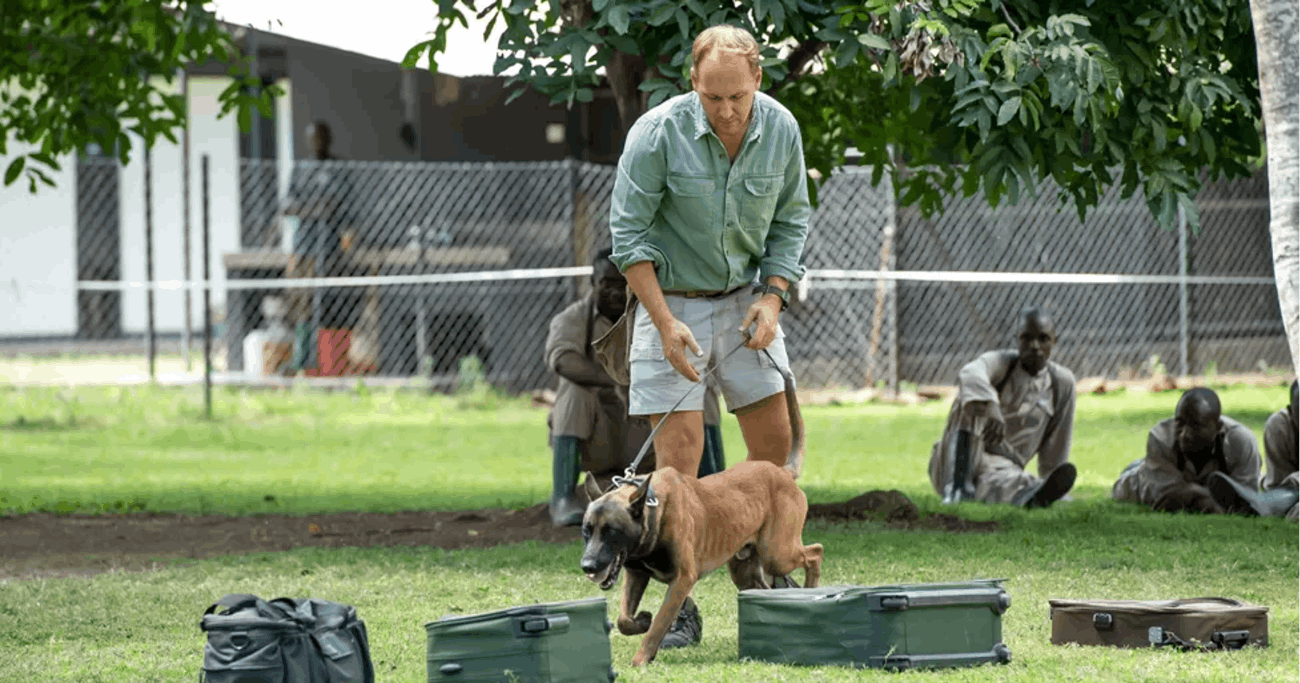
The truth is, while the raw material supplied with some of the best working dogs anywhere is crucial, his expertise and training is the key.
Canine heroes
Will honed his skills saving lives in war zones in places like Rwanda, the Balkans, Cuba, Honduras and Nicaragua before adapting into a whole new world. He realised the power of a dog’s nose - the ability to detect tiny fragments of whatever substance they are trained to locate. From there, he created a training system based around it, without perhaps initially realising the potential he’d first uncovered until the last 10 years.
Now Will trains dogs - mostly Belgian Malinois - to save wildlife in Africa. From humble beginnings, working as part of an African animal organisation, he’s become the number one choice for governments trying to stamp out the trade of illegal trafficking of animal parts.
“The Malinois are incredible. Give them a job to do and they are the most fantastic dogs you could ever hope to see. Without a job or around the house, they are a total nightmare,” he chuckled. Anyone who’s experienced the domestic carnage caused by a bored but highly driven working dog can empathise.
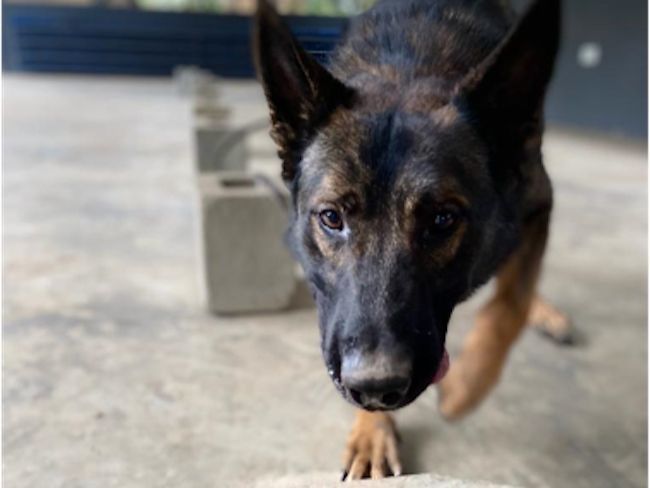
His ‘stable’ also contains spaniels (he has five in his house), German Shepherds and a hotchpotch of other dogs who have all been trained as the ultimate specialist detectors around.
Trafficking animal parts is still big business in many African nations. Ivory from elephant tusks, rhino horn, and the teeth and claws from lions all find their way into the illegal market. But it’s the scales from a humble little creature called a pangolin that are the most sought-after of all.
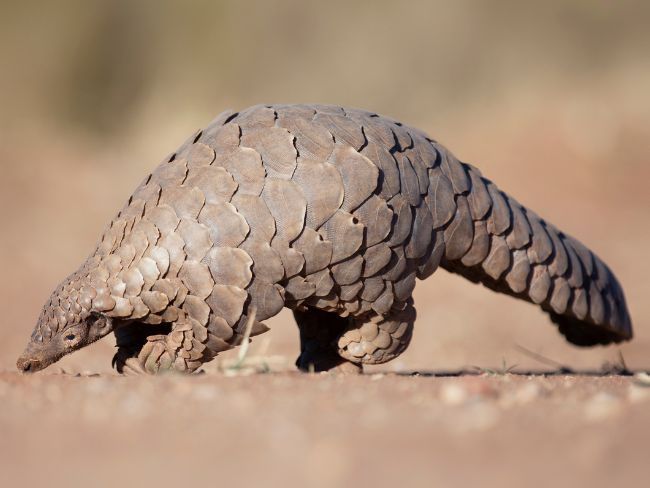
The pangolin is a tiny mammal which looks like it’s a strange lizard-like thing. They’re not blessed with being cute and cuddly, have no teeth and eat ants with their giant, sticky tongues. The value placed on the scales which protect them from predators has made them the most trafficked animal on the planet.
“There are parts of Asia where they think pangolin scales can cure cancer. It’s a total nonsense,” added Will. “The scales are made of exactly the same material human fingernails are made from. If you follow that through, it means you could cure cancer by biting your fingernails, which is a total nonsense,” he added.
There were 3.2 million of them killed and their scales trafficked last year, along with a continually booming trade in ivory, rhino horn selling on the black market at $60,000 a kilo - and because there are fewer tigers in the world, attention has switched to other big cats like lions and cheetahs. It’s little wonder Will is busy.
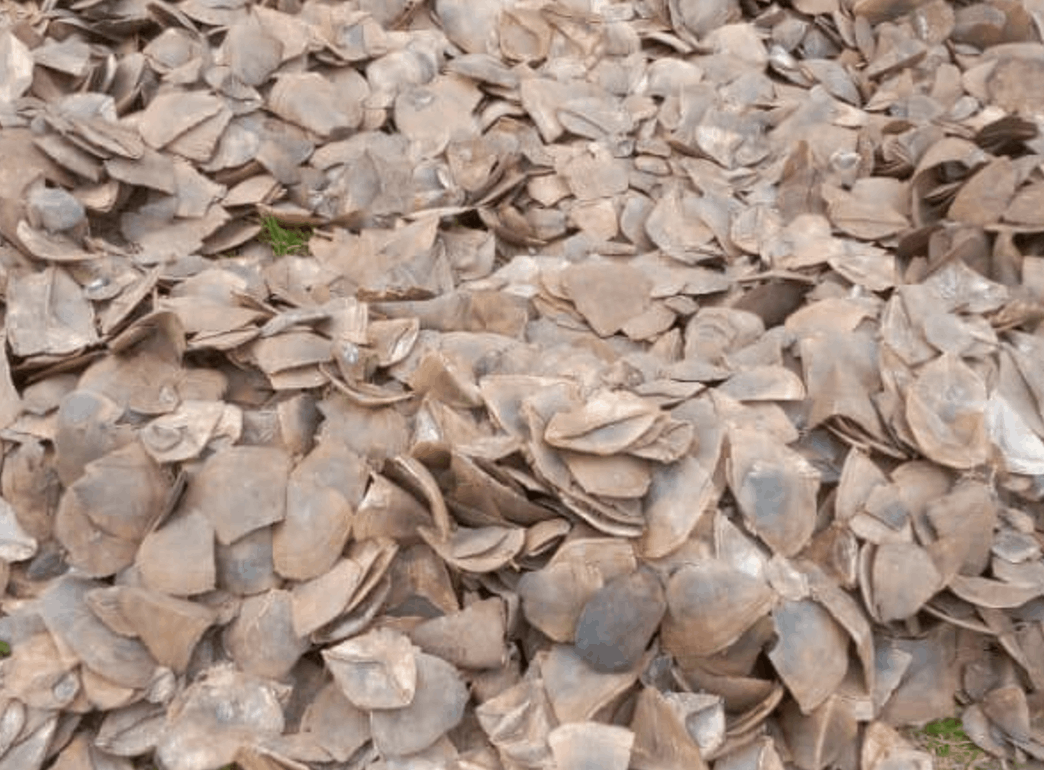
“It’s been an interesting journey so far,” said Will, who now calls Tanzania his home and the base for ‘Kuru Dogs’. “It wasn’t long ago that people in Africa thought dogs were just for hunting with. Obviously they are great for that, but there’s so much amazing potential in the way a dog can sniff anything out of anywhere. You can’t escape from a dog’s nose.”
Will started supplying teams to patrol airports used by poachers trafficking illegal animal parts - and soon discovered the trade dropped through the floor because the poachers knew the dogs were so good they always got caught.
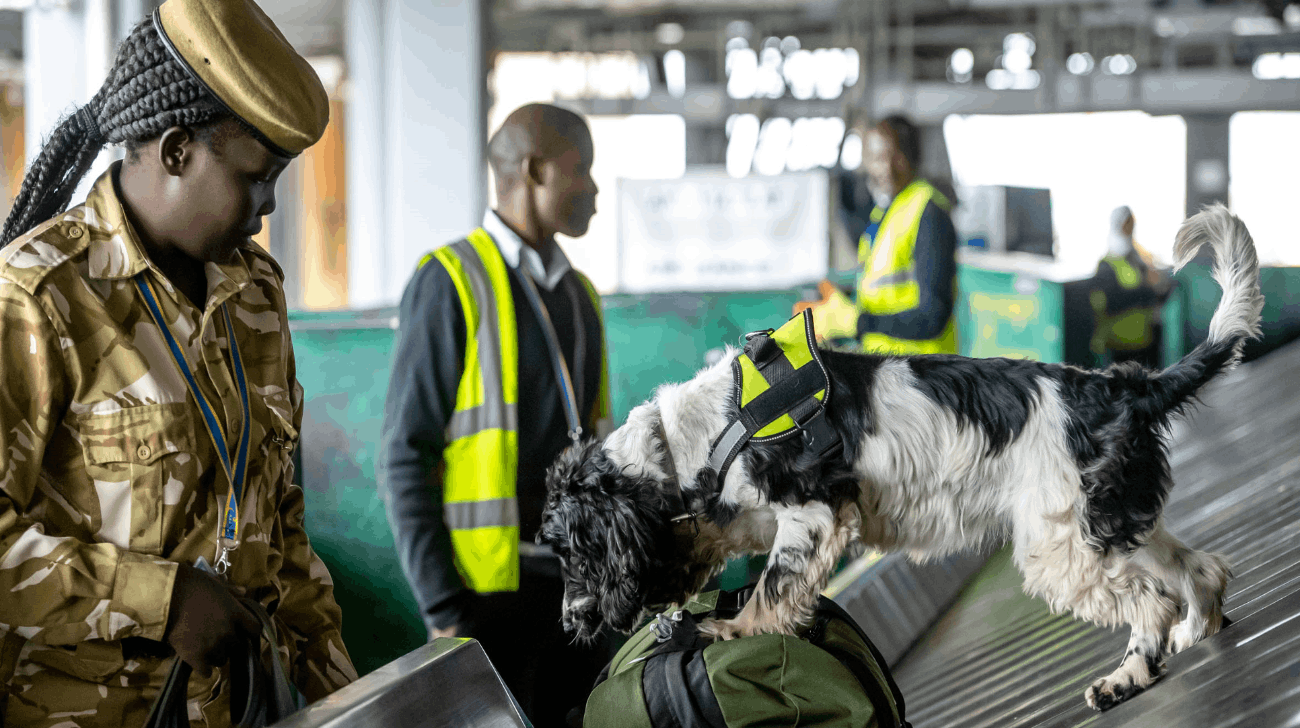
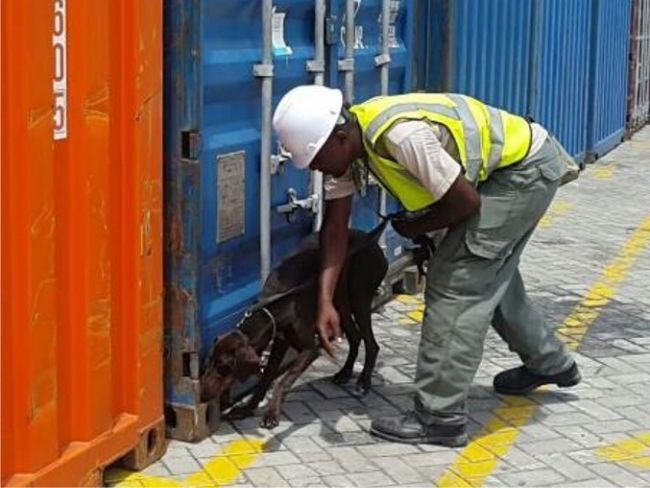
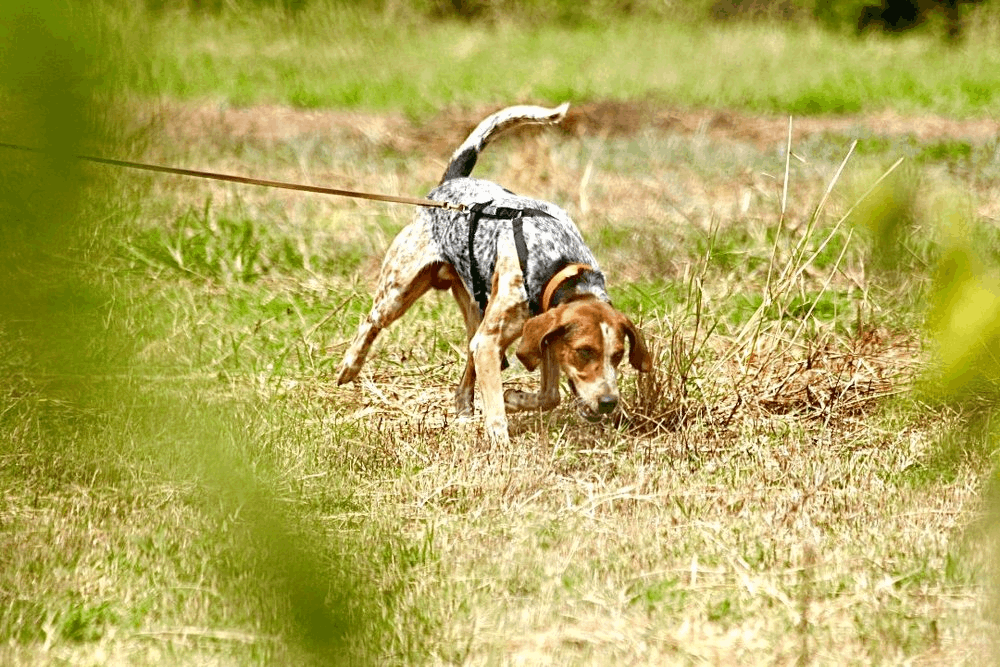
One highly-trained sniff at the vent on a shipping container reveals illicit contents are hidden inside. They also find the traffickers wherever they hide - using human scent to track suspects for miles. He has a pride in his work, satisfied he knows what he’s doing is really making a difference.
“There was one village of poachers we targeted after the dogs tracked where they were. When we turned up, one of them came up to us, handed us all his weapon and trapping stuff and told us there was no point in him carrying on because he knew he’d get caught. The next time we went to the same place, more poachers came and did the same.”
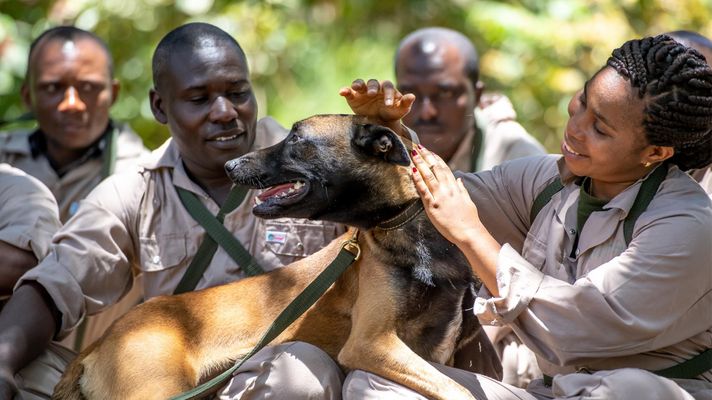
It’s not just the dogs Will is training either. His school is helping create new rangers who are spreading far and wide across the continent using dogs as their main tool to smash illegal activity from poachers. And the ethos is clear - to work with a Kuru dog, you have to love it.

“One of the things I love is the way the handlers form lifetime bonds with their dogs. It’s the thing we work hardest to create because when a handler and a dog work together and trust each other, what they can do together is amazing.
“Our approach is to make sure the first priority is the welfare of the dogs we train. We have a culture of care and the ethos is that all our dogs are happy, healthy and ready to work. There are two ways we do that. First we pick the right dogs - and then we just try to pick nice people to train them.”
Hard-working dogs deserve the best dog food
Will’s approach is building a special kind of heritage in the seven African countries he now works with. It’s a model which reflects that of the company who put me in touch with him in the first place. I’d made a call to Ben Skinner - of dog food brand Skinner’s - trying to find people who work with dogs doing unusual jobs. Will was at the top of his list.

“He’s amazingly passionate about what he does. He proves how fantastic dogs are, and what incredible jobs they can do,” said Ben.
Perhaps it’s only right that a dog food brand which fuels working dogs belonging to everyone from the local gamekeeper to the aristocracy also has Kuru on it’s customer list.
“We’d love to do more to help them - but the cost of sending food across several continents into Africa is astronomical,” added Ben. "Nevertheless, Skinner's has been sending food to Mombassa in Kenya for decades, and we're proud that our products are helping to protect endangered species in Africa."
There’s a mutual respect which comes from a company which remains in family hands - seven generations of Skinners have led to Ben, 25, taking taking the reins from his dad Roger, who is now in his seventies.

“We’re very proud of our heritage. There aren’t many companies like ours anymore. We’ve based everything around keeping things simple, and creating a quality product which people who work their dogs can rely on to deliver the goods.”
Back in Tanzania and a recent brood of puppies destined to become canine heroes in the African countryside have been raised on dog food that’s come all the way from Skinners in the UK.
“Food is one of our biggest expenses. Anything people can do to help is so valuable. When we first arrived in Africa, you couldn’t buy dog food off the shelf anywhere,” added Will.
Comments
Loading comments…
Post a comment
to post a comment.