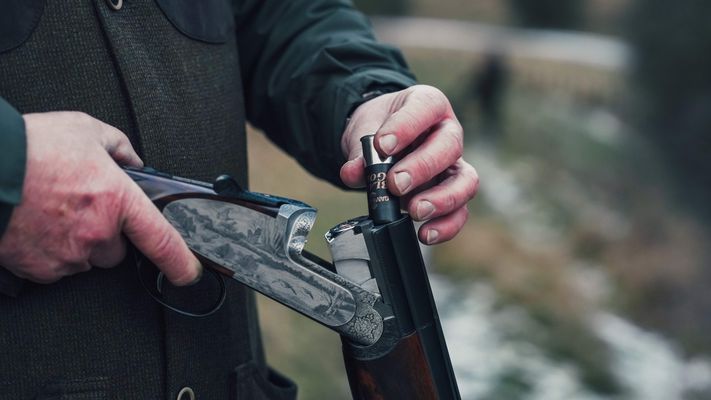
Each year a swathe of new cartridge products come onto the shooting market, usually to great fanfare. It is a marker of the vibrancy of the shooting world and the innovative mindset of the brands that serve it that there are new - by which I mean technologically new rather than merely rebranded - cartridges with such regularity. They come so frequently, and from so many directions, that perhaps we take it for granted that there will be the next ‘big thing’, and we don’t often stop to consider what goes into developing a new cartridge, and the work that goes into it.
To find out more, I linked up with Lydia Abdelaoui, Marketing Manager at Gamebore, the UK’s most popular cartridge brand (according to the Game Shooting Census), and a company that prides itself on its innovative approach to shotgun cartridges and its R&D processes.
Meeting the demands of shooters
The first question that was on my mind was perhaps a bit of a basic one: where do you even begin, when it comes to creating a new cartridge product, how does a company like Gamebore work out what product to develop? According to Lydia, the answer is a straightforward:
“We simply look at what the market is demanding. For example, most recently the overwhelming demand we were seeing from shooters that use our products was for a lead shot load designed for the most extreme of high pheasants such as those seen at the renowned high bird shoots in Wales and on Exmoor. Guns wanted the Bio-Wad technology used in our steel game loads, but with lead shot, for plastic-wad-like performance. So we set about developing the Black Gold Game UER loads that we launched for this season.”
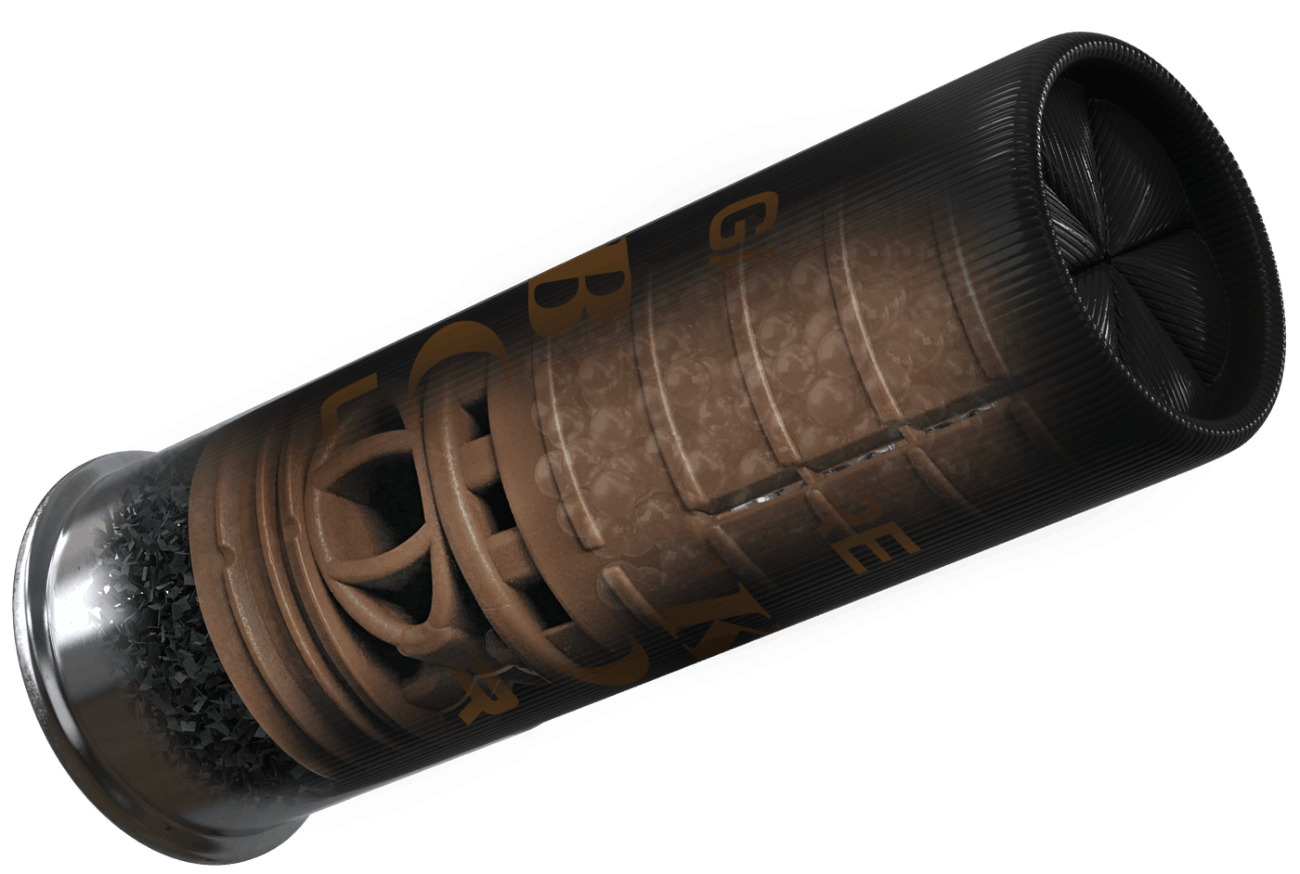
So, it's simple then: take the Bio-Wad shot cup and stick it in a lead load. Job done, right? Wrong. Lydia again:
“The aim was to maximise downrange speed and effectiveness without excessive pressures and recoil. We already had the Bio-Wad technology and material, and our established injection moulding plant, but it wasn’t just a simple case of using the Bio-Wad we use for steel and replacing the steel pellets with lead.”
Investment and innovation
There are some subtle differences in the design, requiring its own specific moulding tool/dye. The development of each tool can take approximately six months from initial concept, to testing the prototype, to the commissioning of the final, working tool. Each tool costs hundreds of thousands of pounds, and a separate tool is required for each load eg 32g and 36g.”
Lydia went on to explain that the UER cartridges offer tighter patterns at longer ranges because the bio-wad cup’s extra weight (2.5x greater than a plastic wad) means the cup stays with the shot for longer after it leaves the muzzle of the gun, travelling further with the shot and keeping the pattern tight. She adds that the crush zones in the wad absorb some of the shock, reducing recoil and improving the shooting experience.
Speaking from personal experience, I have often wondered which shooters new cartridge products are designed for, given that my ability to shoot runs out long before my cartridges’ performance lets me down. “Are all of Gamebore’s products designed with ‘elite’ shots in mind?” I ask.
“We have something for shooters of all levels and shoots of all types,” says Lydia, continuing: “Each range is tailored specifically for the shooting it is designed for. For example, when developing the Black Gold Game UER (Ultimate Extended Range) as the name suggests, we had the most extreme of high birds in mind, so we wouldn’t recommend these for a walked-up day. One satisfied UER user in particular called up recently with feedback, describing the cartridges as ‘phenomenal’, adding ‘they’re almost too good for the average shooter’.”
Performance first
I wanted to know more about the R&D process, so I asked Lydia to put some meat on the bones as to where the team begin when there’s a blank piece of paper.
“We always think of performance first,” says Lydia. “Whether it’s a load for clay targets or a load for game. Next we have to consider the environment in which the shooting will take place, we also have local regulations to consider – eg if we’re loading steel ammunition for the USA, we load to SAAMI regulations, if for the UK we load to CIP. The component we look at first depends largely on the specific requirements of the cartridge.
When I press for an example of what she means, Lydia explains that when Gamebore were developing the Bio-Wad they had to ensure that it met four key criteria:
- Excellent performance
- Completely protecting the barrel from the steel shot
- Bio-degradability
- Quick degradation time in the environment
She added that the components also had to meet some technical and production criteria. “Its predecessor, the Fibre Shot Cup, the first biodegradable wad cup for steel introduced to the UK, was prone to jamming in the machines and wasting valuable production time,” she explains, “so we could never consider this as a viable option for the mass levels of production required to meet the demands of the UK market, never mind overseas.”
The best components for the job
Gamebore are rightly proud of their own R&D and track record in developing and launching new components to market, but they’re not above making use of products developed elsewhere if they’re the best for the job.
“We keep a keen eye on the market, globally, not just in the UK,” says Lydia. “It’s important to us that we use the best, most advanced components available, whether we develop and manufacture them here ourselves or use a supplier further afield. For example the very best powder for steel cartridges specifically is made in the USA, so we import from there rather than using a more ‘local’ powder manufacturer.”
This understanding of the best components comes from decades of experience, she explains: “We have been loading steel cartridges for four decades, notably for the Scandinavian markets where lead shot has been banned for quite some time. Over the years we have tried and tested all steel powders available internationally, eventually selecting Alliant powders, for which we have secured exclusivity in the UK and Europe.”
No new squares in the periodic table
Speaking of the phase out of lead, I wanted to know what the direction of travel is on lead-alternative loads, might we see some new alloys in Gamebore cartridges to add to the steel, bismuth and tungsten options currently available? Lydia laughs:
“I don’t think our R&D team will be adding a new square to the periodic table any time soon – that’s a task for the metallurgists. Any new alloy developments might trickle down to our industry in the future, but for now we are concentrating on the alternatives already available. For the foreseeable future, steel will be the most commonly used alternative to lead, due mostly to its price point, so we will concentrate on the development and growth of our steel game range. Although tungsten and bismuth are better than steel in terms of replacing lead, the price of the material means that they are not a viable option for the majority of shooters."

This begged the question: where are the next big innovations coming from? Naturally Gamebore, like most UK cartridge manufacturers, are focussing on developing their steel loads, but it is likely to be a slow-and-steady improvement over time, rather than an overnight revolution, Lydia says: “These developments won’t happen overnight. They can be years in development, that’s why it was so important for us to push for a more realistic timeframe to implement the transition away from lead than the proposed 5 years.”
Years in the making
She went on to explain that while the time it takes to develop a product can vary, and that turn-around can be very fast, global events - such as the war in Ukraine - can heavily impact the availability of key materials such as powders, which can cause the team a headache given the seasonality of the shooting market.
Some developments are literally years in the making. “Our Bio-Wad was in development long before the shooting organisations announced the voluntary 5 year phasing out of lead shot. It was purely coincidental that we were able to launch the first Bio-Wad product relatively soon after the announcement. This may have given the impression that the development of steel shot and Bio-Wad cartridges could have a fast turn-around, but that’s not the case. So far we have completed Bio-Wads for 7 different applications. We still have a long way to go, and are continuing to work on more behind the scenes.”
Given that developments can sometimes take years, it must be a tough business call to know whether developing product x or y is the right path to take, so it follows that it would be good to know how quickly an innovation is likely to become obsolete.
On this front, Lydia is philosophical: “With all industries, as technology advances, things that were once innovative and ground-breaking can over time become obsolete. This will become more evident with the eventual phasing out of lead shot. The most obvious example is the fibre wad; once seen as an innovation in the cartridge industry, they could soon become a thing of the past as we gradually move over to steel and the new biodegradable wad cups.”
Lydia also mentions the original Black Gold game loads, which contained a component which she describes as having been “ground-breaking”, a recoil reduction component, which developments in propellants made less and less effective and has now been replaced by some tech of Gamebore’s own design.

This being said, components that are developed for one usage might well find their way into others. For example the Bio-Wad technology, originally created for a new steel shot load, has now found its way into the UER lead loads. Lydia explains: “What starts out as a niche can often be rolled out into more products, but only when the manufacturing capacity has grown in order to do this. However, the premium components come with a premium cost, so it isn’t viable to use them in a budget range.”
Marginal gains
Unlike many UK cartridge manufacturers, Gamebore do lots of in-house development, so they are well placed to make tweaks and minor adjustments over time. In everything from sport to business, the notion of ‘marginal gains’ has been shown to be a good way to squeeze out every last drop of potential. Is the same true in the cartridge world? I wonder what is the smallest change the R&D team have made that’s had the biggest impact. Lydia agrees that small, almost imperceptible changes can make a huge difference.
“If you look closely at a Quad Seal, or a Bio-Wad, you’ll see that they each have some very detailed design features that may look insignificant, but in fact are very specific elements that are designed to make them work a certain way and are very important to the overall performance of the cartridge,” she says.
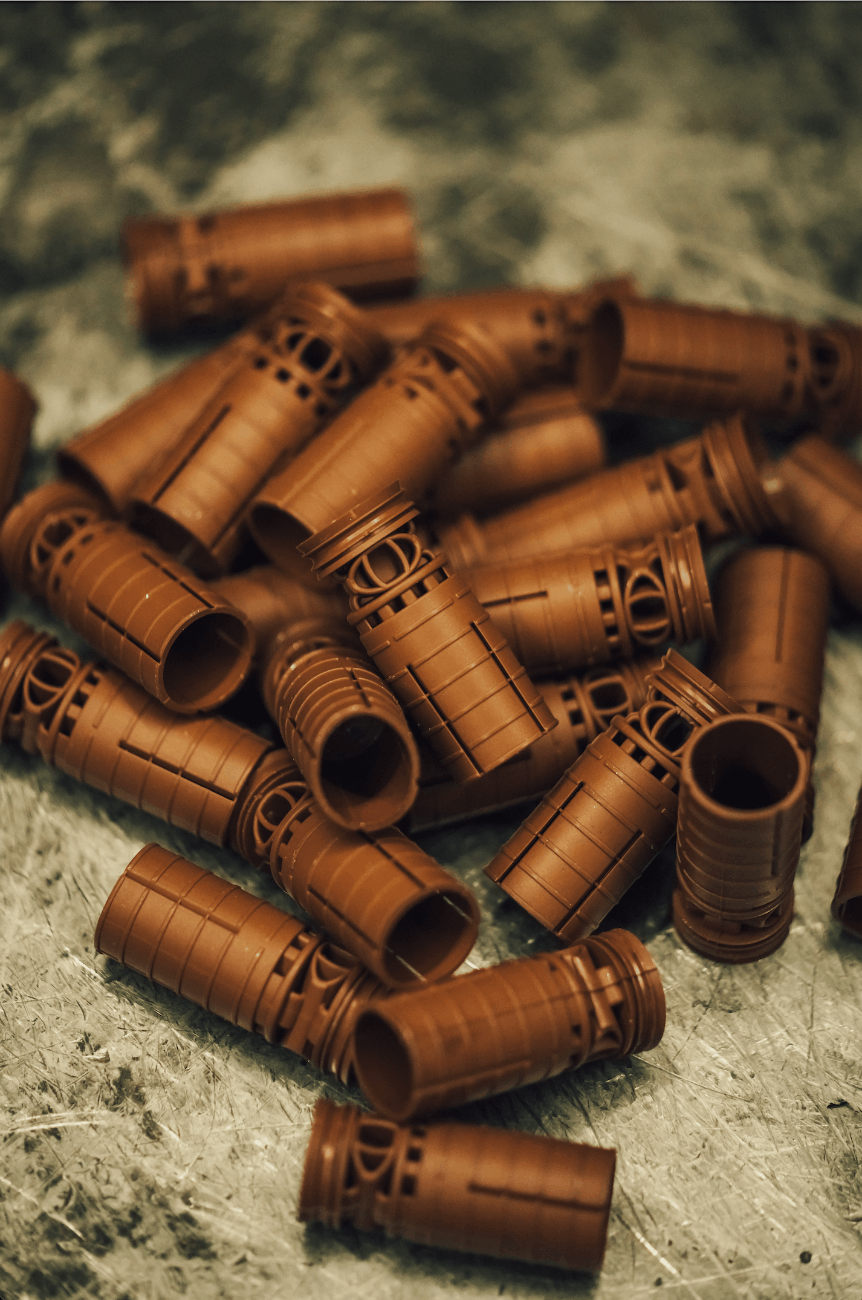
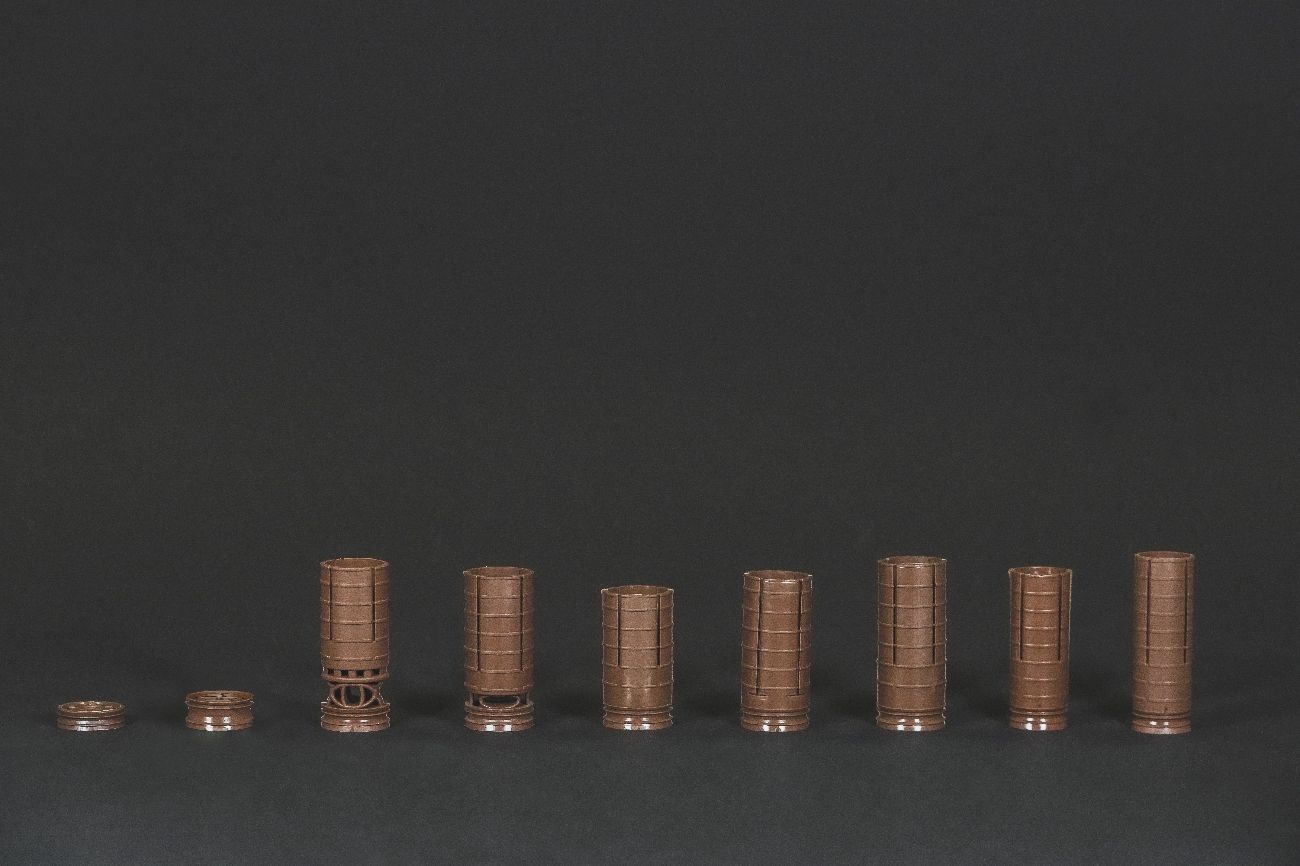
“The Bio-Wad, for example, must fully contain the steel pellets and prevent them from coming into contact with the barrels of the gun. We found that if the ‘petals’ of the wad cup are separated with a 45° angle slit as opposed to the usual 90° found on the of other wad cups on the market, the barrel protection is greater as it prevents a stray steel pellet escaping between the petals as the wad travels down the length of the barrel. We also found that implementing the petals as part of the injection moulding process, rather than simply cutting the petals into the tube afterwards, gave better precision and overall better protection.”
Testing, testing
Of course, any new cartridge developments go through a rigorous testing regime, using high tech, state of the art equipment. “We have a dedicated team who ensure that every production run of cartridges is consistent, from the first cartridge in the batch to the last,” says Lydia. “This includes pressure, velocity, and downrange energy. Our on-site testing facility also includes a 50 yard tunnel purpose built for pattern testing.”
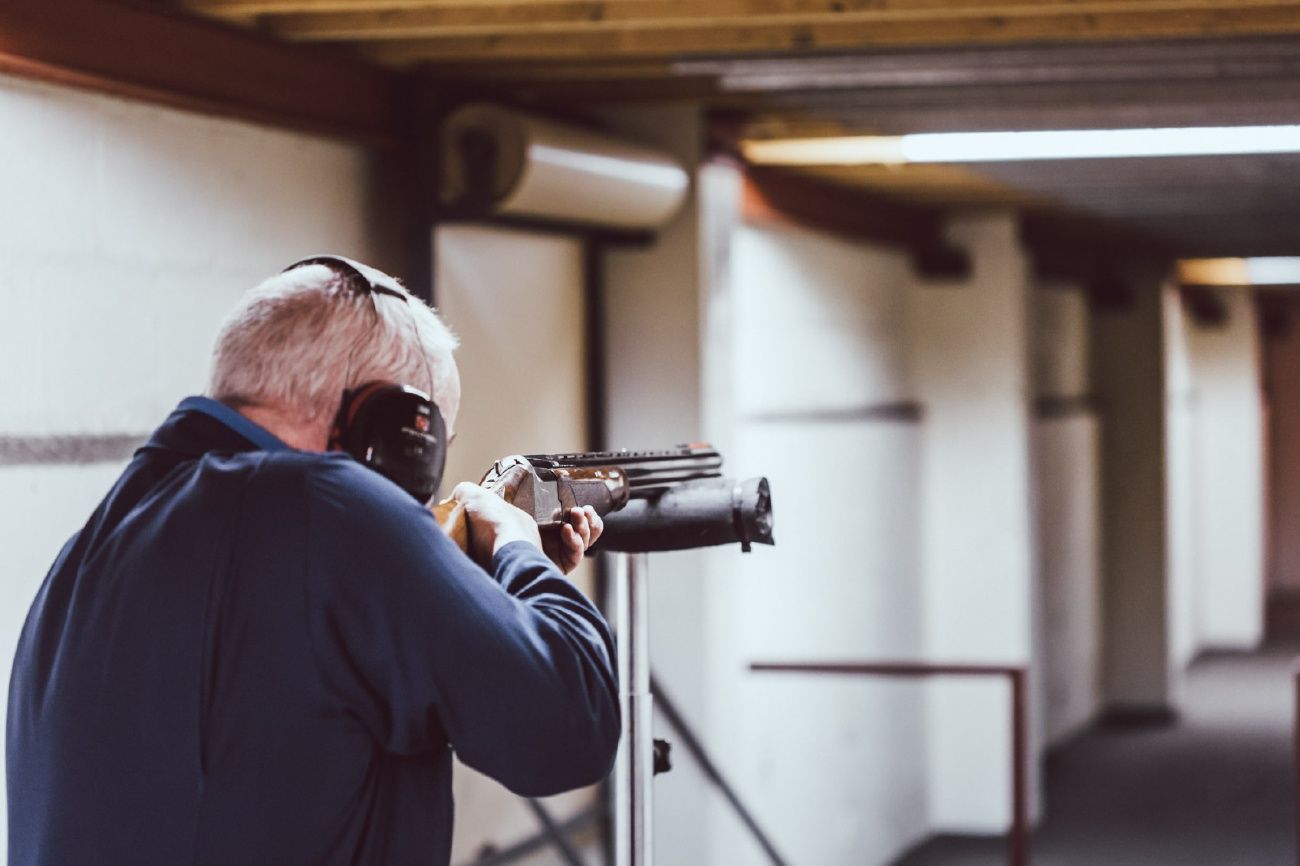
Once the testing team are happy, the cartridges are handed to Gamebore’s in-field testers, leading shots like George Digweed and Simon Ward: “In-house testing gives us precise data telling us exactly how each product performs,” says Lydia. “But it’s imperative to get feedback about the shooter experience too. We are fortunate enough to rely on some of the world’s most respected shots. When we have the likes of Simon Ward, George Digweed, Dave Carrie and Mark Winser giving us their seal of approval on the killing power at range, and of course perceived recoil, we know we have a great product.”

With so many innovations over the years, I want to know which the Gamebore team are most proud of. Lydia tells me that the Quad Seal is right up there. First launched in 2020 in the Black Gold Dark Storm fibre wad loads, to improve the performance of fibre wad cartridges without being harmful to the environment, the technology has since been included in all of Gamebore’s products which feature the Bio-Wad such as Black Gold Dark Storm Steel and Regal Steel Game, 20G Black Gold Steel Game, plus now the new 12G Black Gold Game UER lead loads.
My last question for Lydia is an attempt to get a scoop. “Are you allowed to say what you're working on at the moment?” I ask.
Lydia bats the question away like a practiced diplomat. Her answer? “No, but team GoP will be the first to know when we can!”

Comments
Loading comments…
Post a comment
to post a comment.